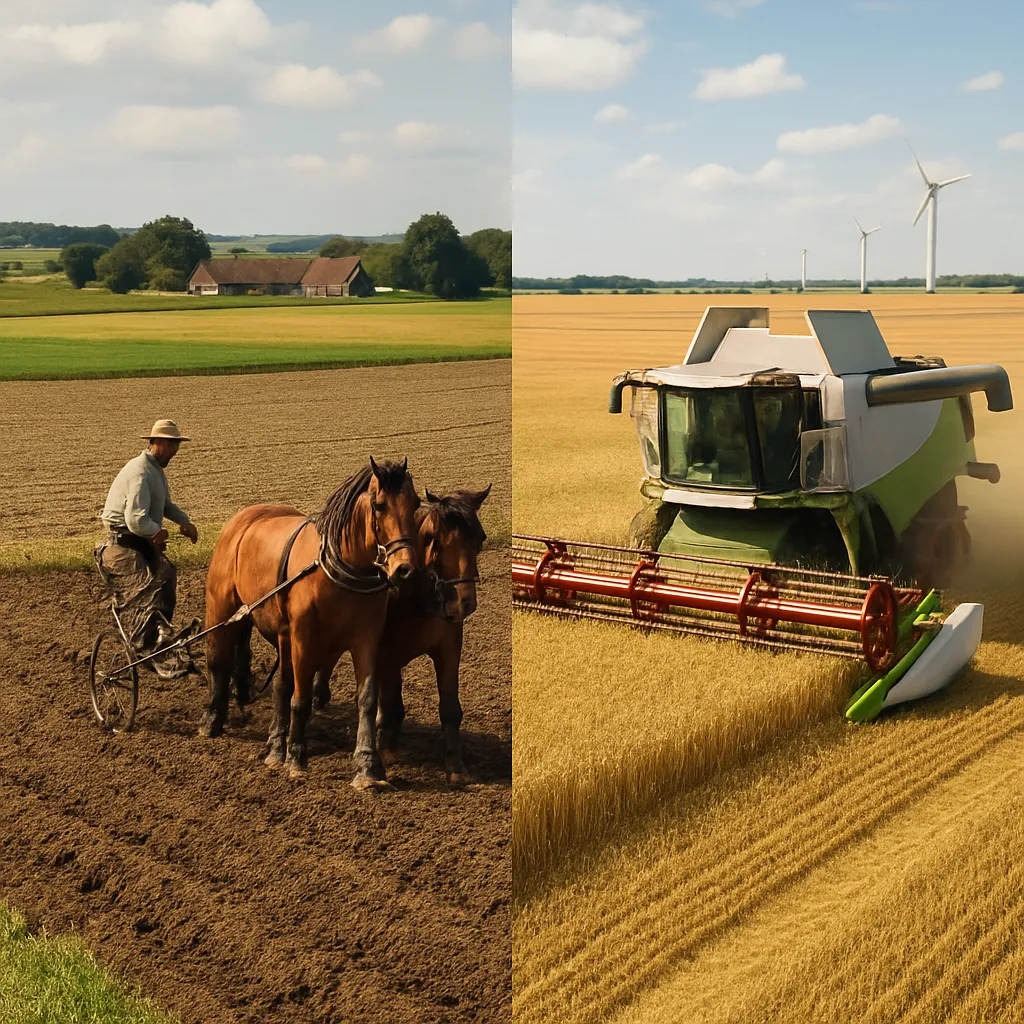
Farming can look simple from the outside, but every season reminds growers how complex it really is. Weather, soil, markets and technology change faster than ever, and even experienced farmers repeat the same costly errors. Learning from these mistakes is just as important as buying new equipment or seeds. Practical guides, checklists and shared experience from platforms like agriculturetips.top/ help turn confusion into clear decisions in the field. This article explains the most common farming mistakes and, more importantly, how to avoid them in real life. It will focus on soil health, water management, crop planning, pest control, machinery, finances and record‑keeping, so you can improve both yields and long‑term farm stability.
Ignoring soil testing and soil health
One of the most frequent farming mistakes is planting without knowing the real condition of the soil. Many farmers judge soil only by color or texture and skip proper testing. As a result, they apply the wrong type or amount of fertilizer, waste money and damage long‑term fertility.
Regular soil testing shows pH, organic matter and nutrient levels. Without this information, farmers may overuse nitrogen, underapply phosphorus or potassium, or ignore hidden problems such as salinity. Over time, this leads to nutrient imbalance, lower yields and increased vulnerability to drought and disease.
To avoid this mistake, take soil samples from different fields at least every two or three years and send them to a reliable laboratory. Use the results to adjust fertilizer plans, lime applications and crop rotations. Add organic materials like compost, manure or cover crops to build soil structure and biological activity. Healthy soil improves water retention, reduces erosion and supports stronger roots, which means more stable production even in difficult seasons.
Overreliance on synthetic fertilizers and chemicals
Another common error is believing that more fertilizer and more chemicals always mean higher yields. In reality, excessive use of synthetic inputs can harm soil life, increase pest resistance and raise production costs.
Fertilizers are useful tools, but they work best when combined with organic matter and careful timing. Applying nutrients at the wrong stage, in the wrong form, or just before heavy rain causes nutrient loss and pollution of nearby water bodies. Overuse of pesticides and herbicides can kill beneficial insects, contaminate the environment and force pests to develop resistance, making future control more difficult and expensive.
Farmers can avoid this by adopting integrated nutrient management and integrated pest management. Use soil tests to calculate precise fertilizer needs, apply smaller doses more frequently when possible, and include legumes or green manures in the rotation. For pest control, monitor fields regularly, use biological controls and mechanical methods, and apply chemicals only when economically justified. This approach protects yields while maintaining long‑term sustainability.
Poor water and irrigation management
Water is one of the most limiting resources in agriculture. Many farmers still irrigate based on habit or guesswork, not on real crop needs or soil moisture. This leads to over‑irrigation, which wastes water, causes nutrient leaching and may create problems like root diseases and salinity, or under‑irrigation, which stresses crops and reduces yields.
Avoid this mistake by understanding your soil type, local climate and crop water requirements. Sandy soils need more frequent but smaller irrigations, while clay soils require less frequent but deeper watering. Simple tools such as soil moisture probes, tensiometers or even regular digging and checking root zones can guide irrigation decisions. Scheduling water based on crop growth stages is also important: early establishment, flowering and fruit filling are usually the most sensitive periods.
Improving irrigation efficiency with drip systems, well‑maintained sprinklers and proper pressure regulation can save large amounts of water. Regularly inspect pipes, connections and emitters to prevent leaks and uneven distribution. Efficient water management protects yields, reduces costs and supports long‑term farm resilience in dry years.
Lack of crop rotation and diversification
Planting the same crop on the same field year after year is a classic mistake. Continuous monoculture depletes specific nutrients, increases pest and disease pressure, and often leads to declining yields, even when fertilizer use stays high. It also exposes the farm to market risks when prices for that single crop fall.
Crop rotation breaks pest and disease cycles and uses nutrients more efficiently. Combining cereals, legumes, oilseeds and cover crops across seasons enriches soil and reduces the need for chemical inputs. Legumes, for example, fix atmospheric nitrogen and improve fertility for the next crop. Deep‑rooted crops can help loosen compacted layers and bring nutrients up from deeper soil.
Diversification across crops, varieties and sometimes even livestock reduces risk. If one crop fails due to weather or market conditions, others may still perform well. Diversified farms are usually more stable and have better chances to adapt to climate change and shifting consumer preferences.
Underestimating pest, weed and disease pressure
Many farmers react to pest, weed and disease problems only when damage becomes obvious. By that time, yield losses are already significant, and control becomes harder and more expensive. Relying only on visual signs such as yellow leaves or large insect populations is a serious mistake.
Preventive strategies are much more effective. Use clean seeds and planting material, practice proper crop rotation, and remove volunteer plants and crop residues that host pests. Scout fields regularly, walking in patterns that cover different sections of the field. Learning to identify early symptoms and beneficial insects helps make smarter decisions.
When chemical control is necessary, select the right product, dose and application timing. Rotate active ingredients to slow down resistance. Calibrate sprayers correctly and avoid spraying in strong wind or high temperatures to reduce drift and improve efficiency. Combining prevention, monitoring and targeted treatment keeps pest and disease pressure at manageable levels.
Poor seed selection and planting practices
Seed quality and variety choice are fundamental for success, yet many farmers base their decisions only on price or tradition. Using low‑quality, old or unsuitable seed results in uneven emergence, weak plants and lower final yields. Ignoring local conditions such as climate, soil type and disease presence is a frequent error.
Choose varieties that are adapted to your region, with good disease resistance, yield potential and traits valued by the market. Always use certified or well‑tested seed, and store it properly in a dry, cool place. Before sowing, check germination rates and seed vigor when possible.
Correct planting depth, spacing and timing are equally important. Planting too deep slows emergence, while shallow planting exposes seeds to drying out. Overly dense sowing increases competition for light and nutrients, while too wide spacing leaves room for weeds and lowers yield per hectare. Plan sowing dates according to soil temperature and expected rainfall, not just calendar tradition, to reduce risks of frost, heat or drought at critical growth stages.
Neglecting machinery maintenance and calibration
Farm machinery is expensive, but many farmers treat maintenance as an afterthought. Waiting until equipment breaks down in the middle of the season causes delays, emergency repair costs and sometimes crop losses when operations like planting or harvesting are not done on time.
Preventive maintenance before and after each season saves money and improves performance. Regularly check oil levels, filters, belts, tires, bearings and electrical systems. Grease moving parts according to the manufacturer’s schedule and replace worn components before they fail. Keep spare parts for frequently used machines on hand.
Calibration is another often ignored area. Seeders, fertilizer spreaders and sprayers must be calibrated to deliver accurate rates. Over‑application wastes inputs and may harm crops or the environment, while under‑application limits yields and allows pests or deficiencies to develop. Spending a few hours on calibration at the beginning of the season avoids large mistakes across many hectares.
Weak financial planning and cost control
Farming is not only about production; it is also a business. A common mistake is focusing on yield alone while ignoring real costs and cash flow. Without a clear budget, farmers may buy unnecessary inputs or equipment, take on too much debt or miss opportunities to invest when prices are favorable.
Start with a simple annual budget listing expected income and expenses: seeds, fertilizers, fuel, labor, machinery repairs, loans and household needs. Track actual spending and compare it with the plan. This helps identify where money is leaking and where savings are possible. Understanding unit costs per ton or per hectare is essential for making decisions about crop choice and technology.
Building a small financial reserve for emergencies increases farm stability. Diversifying income through off‑season activities, value‑added products or small‑scale processing can also reduce dependence on a single harvest. Talking with financial advisors or experienced farmers often reveals practical ways to manage risk and plan investments more effectively.
Insufficient record‑keeping and data use
Many farmers rely on memory instead of written records. They do not note sowing dates, varieties, input rates, weather events or yields by field. As a result, they repeat the same mistakes and cannot clearly see which practices brought the best results.
Accurate records are essential for improving management decisions. Keeping a simple notebook or digital file for each field, listing crops, treatments, dates and observations, allows farmers to analyze performance over time. When yields are low, records help identify causes such as late planting, poor variety choice or nutrient deficiency.
Using this information, farmers can adjust fertilizer rates, change varieties, modify planting dates and test new practices in a controlled way. Even basic data analysis reveals which fields are most profitable and where investment in drainage, lime or organic matter will bring the highest return. Turning raw data into practical decisions is a powerful step toward more professional and efficient farming.
Ignoring safety and labor management
Farm safety and labor organization are often overlooked until an accident occurs. Working long hours with powerful machinery, chemicals and animals creates real risks. Lack of training, missing protective equipment and poor planning of work tasks significantly increase the chance of injury.
To avoid this, establish clear safety rules on the farm. Provide basic training for everyone who operates machinery or handles chemicals. Always use protective clothing, gloves, masks and eye protection when required. Keep first‑aid kits and emergency phone numbers easily accessible, and service fire extinguishers regularly.
Good labor management also includes realistic schedules, fair rest periods and clear communication. Motivated, well‑trained workers make fewer mistakes and contribute valuable ideas. Respectful cooperation turns labor from a cost into a key asset for the farm.
Resistance to new knowledge and innovation
Experience is important, but clinging only to old habits can limit progress. Some farmers avoid new practices because they fear risk or feel uncomfortable with change. This resistance may prevent them from adopting simple, proven improvements such as conservation tillage, better varieties or modern record‑keeping tools.
Continuous learning is essential in a changing climate and market environment. Field days, farmer groups, online platforms and training sessions provide access to real‑life examples and practical advice. Testing new ideas on a small scale first reduces risk and builds confidence. Observing results directly on your own fields is often more convincing than any theory.
Innovation does not always mean expensive technology. Sometimes it is a better planting pattern, a smarter rotation, or improved storage that reduces post‑harvest losses. Staying open to learning and observation is one of the most powerful ways to increase productivity and long‑term success.
Overlooking post‑harvest handling and storage
Many farmers concentrate on growing a good crop but lose a large part of its value after harvest. Delayed harvesting, rough handling, poor drying and inadequate storage conditions can lead to spoilage, pests, mold and quality deterioration. These losses are often invisible in daily work but very significant in economic terms.
To avoid this mistake, plan harvest timing according to crop maturity, weather forecasts and available labor or machinery. Use clean, well‑adjusted harvesting equipment to reduce grain cracking and physical damage to fruits or vegetables. Dry grain to safe moisture levels as soon as possible and store it in clean, ventilated facilities protected from rodents and insects.
Sorting and grading products according to quality allows better pricing and access to demanding markets. Monitoring temperature and humidity in storage areas prevents mold and toxin formation. Good post‑harvest management protects the value you have already created throughout the season.
Conclusion: turning mistakes into learning
Every farm has its own challenges, but most problems come from a familiar group of mistakes: neglecting soil health, mismanaging water, ignoring rotation, reacting late to pests, choosing poor seed, skipping maintenance, overlooking finances, failing to keep records, underestimating safety and resisting new knowledge. Recognizing these patterns is the first step to improvement.
Instead of seeing mistakes as failures, treat them as information. Systematic observation, careful record‑keeping and willingness to adjust practices help transform errors into better decisions next season. By focusing on soil, water, crops, people and money together, farmers can build more profitable, more resilient and more productive farms that are ready for future challenges.