Regenerative Vineyard Management represents a transformative approach to grape cultivation, blending time-honored practices with cutting-edge research to foster a resilient, vibrant ecosystem. By prioritizing soil vitality, water stewardship, and ecological balance, this methodology aims to produce high-quality grapes while restoring the health of surrounding lands. This article explores critical aspects of regenerative techniques, offering practical insights for vintners dedicated to long-term sustainability.
Soil Health and Biodiversity Enhancement
Healthy soil forms the foundation of any thriving vineyard. Traditional viticulture often relies on chemical inputs that can degrade microbial networks and reduce fertility over time. In contrast, regenerative practices focus on rebuilding soil structure and nurturing a diverse community of organisms:
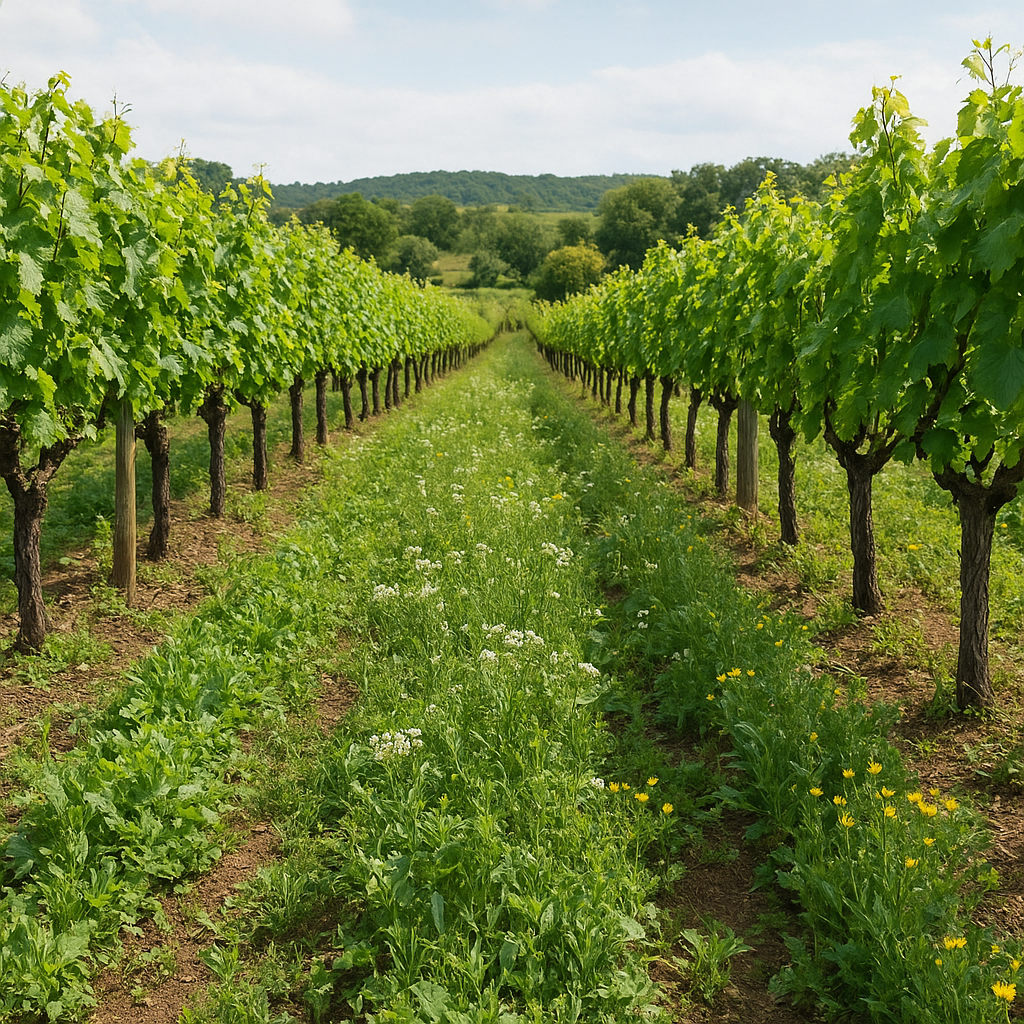
- Cover Crops: Planting legumes, grasses, or brassicas between vine rows enhances organic matter, prevents erosion, and attracts beneficial insects.
- Compost Applications: Introducing well-aged compost boosts nutrient cycling, promotes a thriving microbial population, and improves water retention.
- Reduced Tillage: Minimizing soil disturbance preserves fungal hyphae networks and promotes carbon storage in soil aggregates.
- Crop Rotation: Rotating non-vine crops in fallow sections interrupts pest life cycles and diversifies soil food webs.
Implementing these strategies creates a soil environment that supports abundant earthworms, nitrogen-fixing bacteria, and mycorrhizal fungi. The synergy among these organisms enhances nutrient availability, resulting in healthier vines and more expressive grapes.
Cover Crop Selection and Management
Choosing the right mix of cover crops depends on local climate and vineyard goals. Deep-rooted species like radishes can fracture compacted layers, while legumes such as clover contribute nitrogen through biological fixation. Timing is crucial: mowing or inter-row grazing by sheep can incorporate organic matter, reducing the need for external inputs.
Water Conservation Strategies
Water scarcity is a pressing challenge in many wine regions. Regenerative vineyard managers implement a suite of practices to optimize moisture use and safeguard supplies during drought periods:
- Mulching: Applying organic mulches (wood chips, straw) suppresses weeds and reduces soil evaporation, maintaining stable moisture levels.
- Swales and Contour Trenches: Earthworks on slopes capture rainwater, allowing it to percolate into root zones rather than running off.
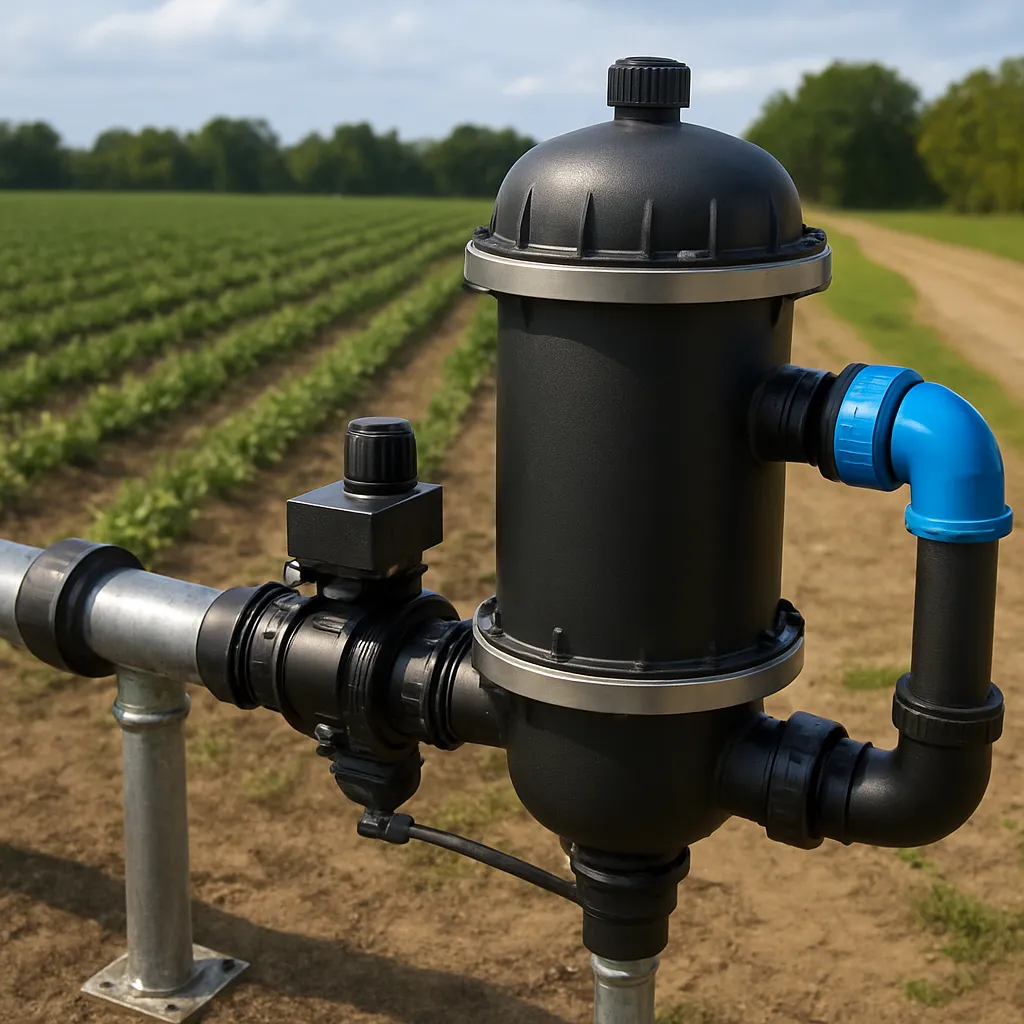
- Drip Irrigation: Precision irrigation delivers water directly to vine roots, minimizing waste and enabling lower application volumes.
- Rainwater Harvesting: Collecting roof and surface runoff provides an auxiliary water source, reducing dependence on wells or municipal systems.
By combining passive and active water-management techniques, vineyards can achieve significant reductions in total consumption, ensuring vines remain productive and stress-resilient.
Ecological Pest and Disease Management
Maintaining vineyard health without heavy reliance on synthetic pesticides is a hallmark of regenerative viticulture. Strategies focus on fostering natural predators and bolstering vine immunity:
- Habitat Diversification: Establishing hedgerows, wildflower strips, and nesting boxes for birds and predatory insects such as ladybugs and lacewings encourages natural pest control.
- Biological Sprays: Applying microbial biofungicides (e.g., Bacillus subtilis) or botanically derived oils can suppress mildew and other pathogens with minimal environmental impact.
- Canopy Management: Pruning and leaf-thinning improve airflow and light penetration, reducing humidity pockets where fungal diseases thrive.
- Monitoring and Thresholds: Regular scouting allows early detection of grapevine pests like phylloxera or spider mites, enabling targeted interventions before outbreaks escalate.
These measures work in concert to maintain an ecological equilibrium. When beneficial species outnumber pests, vineyards experience fewer disease incidents and enjoy improved fruit quality.
Carbon Sequestration and Climate Resilience
Regenerative vineyards contribute to climate mitigation by capturing atmospheric carbon and storing it in biomass and soils. Key tactics include:
- Agroforestry Integration: Planting trees along vineyard borders or within inter-rows provides shade, habitat for wildlife, and additional carbon sinks.
- Perennial Groundcovers: Deep-rooted grasses and herbaceous plants sequester carbon deep in the soil profile, enhancing long-term storage.
- Reduced Synthetic Inputs: Lowering reliance on fossil fuel–derived fertilizers and pesticides decreases the vineyard’s overall carbon footprint.
- Biochar Amendments: Incorporating biochar into soils locks carbon in a stable form and improves nutrient retention.
Adopting these practices helps vineyards adapt to extreme weather events, stabilize yields, and position themselves as leaders in sustainable agriculture. The focus on carbon sequestration not only aligns with global climate goals but can also open avenues for ecosystem service payments and carbon credits.
Social and Economic Considerations
Beyond ecological benefits, regenerative vineyard management offers tangible social and economic advantages. By reducing input costs and enhancing farm resilience, growers can secure more stable income streams. Collaborative efforts with local communities—such as educational workshops, on-farm internships, and agritourism—foster knowledge-sharing and regional development. Consumers, increasingly aware of environmental stewardship, often reward vineyards committed to agroecology with premium pricing and brand loyalty.
- Cost Savings: Lower expenditures on fertilizers, pesticides, and irrigation translate into improved profitability.
- Market Differentiation: Regenerative certification and transparent practices appeal to eco-conscious buyers.
- Community Engagement: Farm-based events and volunteer programs strengthen social ties and raise public awareness.
- Long-Term Viability: By enhancing ecosystem services, vineyards become less vulnerable to price fluctuations and resource shortages.
Embracing regenerative methods transforms vineyards into dynamic agroecosystems, capable of producing exceptional wines while healing the land and empowering people.