Advancements in technology have ushered in a new era of innovation across the agricultural sector, transforming traditional practices into data-driven strategies. One of the most promising developments lies in crafting AI-driven crop insurance frameworks that can dynamically adapt to environmental shifts, financial constraints, and evolving farmer needs. By harnessing powerful algorithms and a wealth of sensor data, stakeholders can elevate risk management, optimize coverage, and foster greater resilience in global food systems.
Integrating AI for Risk Assessment and Underwriting
Insurance providers and underwriters are increasingly leveraging machine learning models to revolutionize the way policies are priced and claims are processed. Traditional actuarial methods often rely on historical loss data and broad regional averages, which can lead to mispricing and limited personalization. In contrast, AI-driven systems can:
- Combine diverse data sources—from localized weather stations to farmer-reported yields—to refine risk assessment with unprecedented accuracy.
- Continuously recalibrate policy terms based on real-time information, ensuring premiums remain fair and reflective of current conditions.
- Automate claim verification processes through pattern recognition, reducing administrative overhead and expediting payouts.
By embedding these capabilities, insurers can offer tailored packages that address micro-level variability in soil quality, pest pressure, and rainfall patterns. Additionally, AI-powered underwriting platforms facilitate rapid scenario analysis, allowing companies to simulate the impact of market shifts or extreme weather events driven by climate change. This agility enhances portfolio management, minimizing exposure to correlated losses and safeguarding long-term solvency.
Enhancing Actuarial Precision with Predictive Models
Actuaries armed with robust predictive algorithms can move beyond static spreadsheets. For example, deep learning networks trained on decades of crop yield records can identify subtle correlations between planting dates, temperature trends, and fertilizer applications. These insights enable:
- Dynamic adjustment of indemnity triggers to better match farmer experiences.
- Early-warning indicators for emerging threats, such as drought or disease outbreaks.
- Improved capital allocation by quantifying tail risks associated with severe weather anomalies.
Ultimately, integrating data analytics into underwriting ensures a more equitable distribution of risk and promotes trust between farmers and insurers.
Enhancing Precision Farming through Predictive Analytics
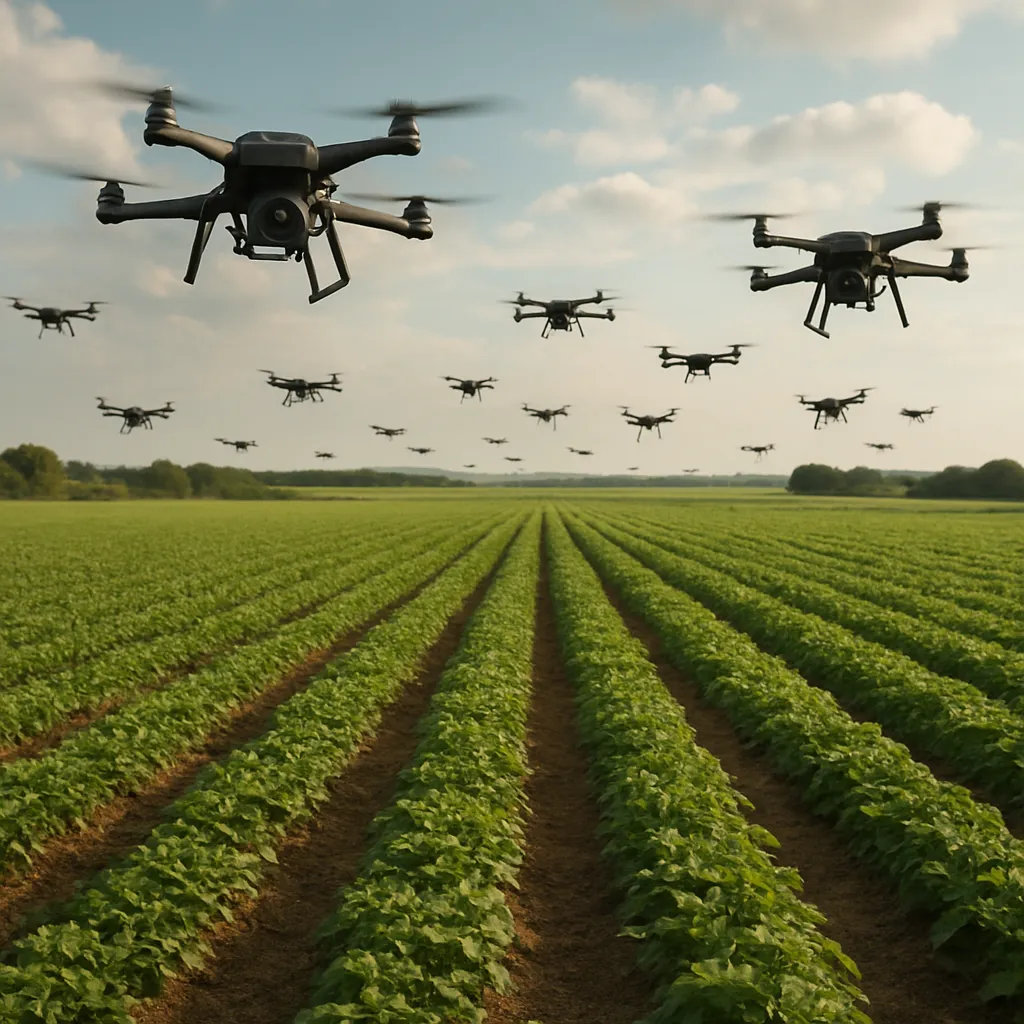
Precision farming techniques are revolutionizing agronomic decision-making by leveraging high-resolution data inputs. Through the synergy of advanced sensors, drone-mounted cameras, and ground-based probes, farmers gain actionable intelligence to fine-tune irrigation, fertilization, and pest control. When paired with sophisticated AI models, these inputs can directly influence insurance solutions.
- Precision farming data streams guide the creation of performance-based insurance riders, rewarding sustainable practices that boost productivity and reduce environmental impact.
- Predictive analytics forecast yield deviations weeks ahead of harvest, allowing insurers to preemptively adjust coverage limits or deploy loss-prevention resources.
- Machine-driven recommendations help growers optimize resource use, lowering overall risk profiles and potential claim frequencies.
Furthermore, the integration of real-time field metrics into policy management fosters a proactive approach: instead of reacting to losses after the fact, stakeholders can mitigate threats before they materialize. This preemptive model aligns incentives across the value chain, encouraging farmers to adopt best practices and insurers to invest in loss-prevention services.
Data-Driven Incentives and Farmer Engagement
Embedding AI tools within mobile applications empowers producers to monitor soil moisture, nutrient levels, and pest infestations on a daily basis. By linking these insights to insurance dashboards, companies can design loyalty programs that:
- Offer premium discounts for adherence to recommended agronomic protocols.
- Provide seed or equipment vouchers when certain yield thresholds are surpassed.
- Facilitate peer-to-peer knowledge exchange through community platforms, enhancing collective knowledge and resilience.
This collaborative ecosystem not only improves risk management but also strengthens the social fabric of rural communities.
Leveraging Satellite Imagery and IoT for Dynamic Policies
Emerging data sources such as satellite imagery and IoT sensors are redefining how insurers monitor crop health and detect anomalies. High-frequency imagery can reveal stress patterns caused by water scarcity, nutrient deficiencies, or pest infestations—even before they become visible to the naked eye. Coupled with soil probes and weather stations, this remote sensing infrastructure supports:
- Automated loss detection, triggering instant alerts when anomalies exceed predefined thresholds.
- Geo-fenced policies that adjust coverage based on localized yield forecasts.
- Parametric insurance models, where predefined triggers (e.g., rainfall below a certain level) initiate immediate payouts without lengthy claim processes.
Parametric structures are particularly advantageous in regions with limited on-ground verification capabilities, offering rapid relief to farmers impacted by sudden droughts or floods. By eliminating dependency on manual assessments, companies can reduce fraud, speed up settlements, and maintain financial stability during catastrophic events.
Case Studies in Adaptive Policy Design
Several pilot programs across South America, Southeast Asia, and Sub-Saharan Africa have demonstrated the efficacy of AI-enabled insurance:
- An initiative employing drone-assisted crop mapping reduced claim adjudication times by over 60%, helping smallholders recover swiftly after monsoon failures.
- A blockchain-based data registry enhanced transparency in policy underwriting, increasing farmer enrollment by 35%.
- Multi-sensor networks in arid zones enabled index-triggered payouts within 48 hours of threshold breaches, significantly decreasing post-disaster economic losses.
These success stories underscore the transformative potential of fusing cutting-edge technology with traditional agriculture financing instruments.