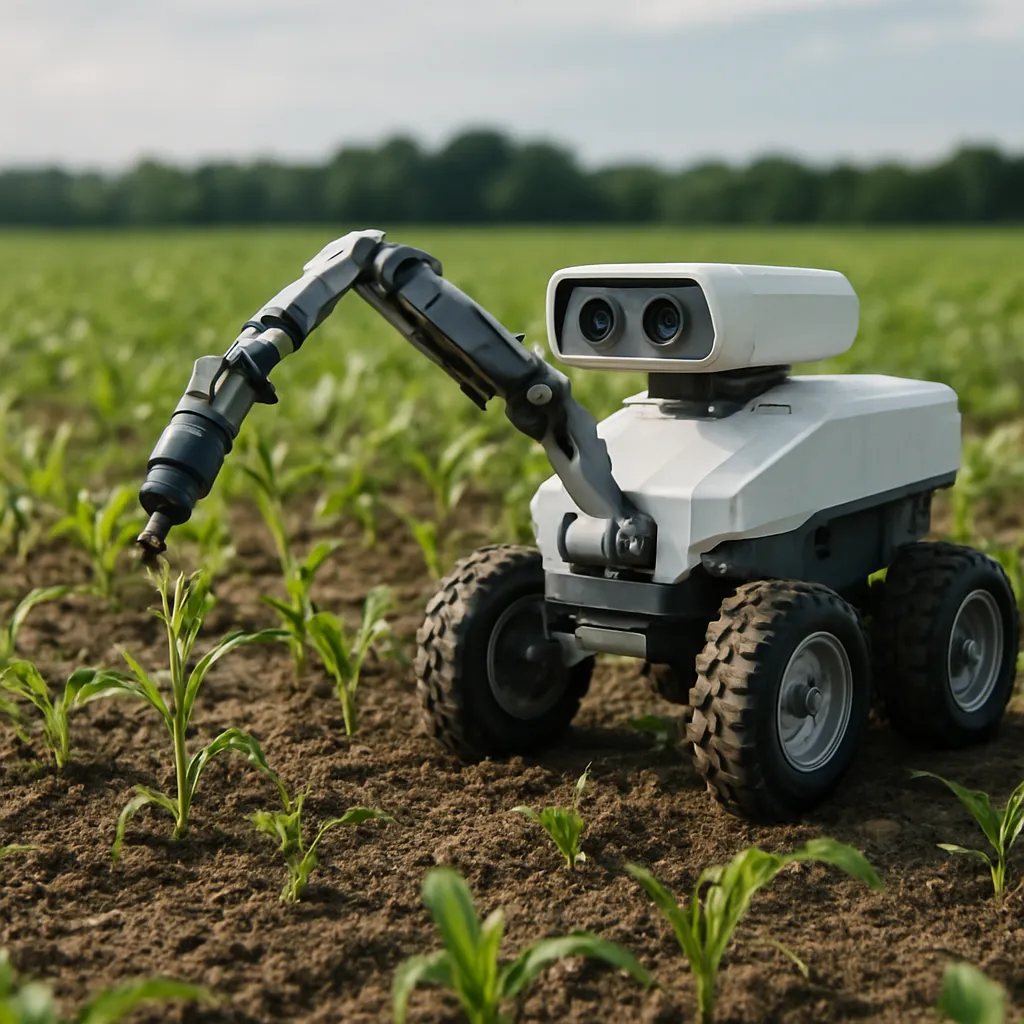
Farm robots capable of identifying and removing weeds represent a transformative wave in modern agriculture. By harnessing cutting-edge sensors, advanced algorithms, and precise mechanical actuators, these machines deliver unmatched levels of efficiency and sustainability. This article explores the underlying technologies, practical applications, environmental benefits, and future horizons of robotic weed control in the agricultural sector.
Technology Behind Weed-Detecting Robots
Sensing and Imaging Systems
At the heart of any effective robotic weed removal solution lie high-resolution cameras and multispectral sensors. These imaging devices capture visible, near-infrared, and sometimes ultraviolet light to distinguish crops from unwanted plants. Using real-time image processing techniques powered by machine learning, the robot constructs a detailed map of weed distribution across the field. Such systems rely on:
- Vegetation indices like the NDVI (Normalized Difference Vegetation Index) to highlight differences in plant health
- Depth cameras combined with LiDAR sensors for three-dimensional modeling
- Thermal imaging to detect stress signatures unique to invasive species
Artificial Intelligence and Decision-Making
Advanced neural networks trained on vast databases of crop and weed imagery enable the robot to make split-second decisions. Through iterative learning, the system refines its classification accuracy, reducing false positives. Key AI components include:
- Convolutional neural networks for pattern recognition
- Edge computing modules that process data on-board, minimizing latency
- Adaptive algorithms that self-calibrate to diverse field conditions
Actuation and Mechanical Design
Once a weed is identified, precise actuators engage to remove or neutralize it. Some machines employ high-pressure water jets or targeted herbicide injection, while others use mechanical grippers or rotating blades. Innovations in actuation prioritize:
- Minimal soil disturbance through fine-tuned force control
- Modular attachments that switch between weeding methods
- Energy-efficient electric motors for extended field operations
Integration into Modern Farming Practices
Autonomous Field Navigation
Robots navigate vast croplands using GPS guidance, inertial measurement units (IMUs), and computer vision. With autonomy levels ranging from supervised operation to fully unmanned cycles, farmers can deploy fleets that work around the clock. Benefits include:
- Precision path planning to maximize coverage
- Automated obstacle detection, avoiding animals and equipment
- Scalable swarming behavior where multiple units coordinate tasks
Compatibility with Existing Equipment
Rather than replacing tractors, many robots are designed as attachments or trailer-mounted units. This approach ensures easy adoption and reduces capital expenditure. Typical integrations allow:
- Data sharing with farm management software for crop monitoring
- Plug-and-play electrical interfaces for power supply
- Standardized mounting rails compatible with popular machinery
Data-Driven Crop Management
Beyond weeding, the sensors and AI onboard generate valuable agronomic insights. By tracking weed pressure over time, farmers can adapt their sowing patterns, irrigation schedules, and fertilizer applications. Key metrics include:
- Spatial distribution maps of weed density
- Growth rate comparisons between crop varieties
- Predictive analytics for herbicide-resistant weed emergence
Environmental and Economic Impacts
Reduced Chemical Usage
Precision weeding robots apply herbicides only where needed, cutting down on overall chemical consumption by up to 90%. This targeted approach benefits:
- Soil health, by preserving beneficial microorganisms
- Water quality, through fewer pesticide runoffs
- Non-target species, such as pollinators and wildlife
Enhanced Crop Yields and Quality
By eliminating competition from weeds early in the growth cycle, these robots support more uniform plant development. Farmers report:
- Yield increases of 10–20% in cereal and vegetable crops
- Lower incidence of disease due to improved airflow
- Higher market value for blemish-free produce
Labor Shortage Mitigation
The agricultural sector faces chronic workforce shortages, especially during peak weeding seasons. Autonomous machines alleviate this burden by:
- Operating in remote or difficult terrains
- Performing repetitive tasks without fatigue
- Allowing farm workers to focus on strategic and quality control roles
Challenges and Future Prospects
Technical Limitations
Despite rapid progress, weed-identification robots encounter hurdles such as inconsistent lighting, occluded plants, and highly similar crop-weed morphologies. Ongoing research aims to:
- Improve sensor fusion for robust performance under varying weather
- Develop advanced computer vision models resistant to visual noise
- Enhance battery life and charging infrastructure for field autonomy
Scaling and Affordability
High initial costs remain a barrier for small-scale farmers. Cooperative ownership models, leasing options, and government subsidies are emerging solutions. Industry stakeholders are exploring:
- Open-source designs to drive down component prices
- Rental marketplaces connecting machine owners with users
- Public-private partnerships for pilot deployments
Regulatory and Social Considerations
Regulations governing autonomous farm machinery must balance innovation with safety. Certification protocols and noise emission standards are under development. Additionally, public perception of robotic labor in agriculture influences adoption rates. Key focus areas include:
- Establishing best practices for on-field human-robot interaction
- Ensuring data privacy and secure communication channels
- Promoting community awareness of technological benefits
Looking Ahead
Advancements in robotics, AI, and sustainable farming practices promise a future where precision weed control is accessible to all growers. As multi-functional platforms evolve, robots may handle seeding, fertilizing, and harvesting tasks in addition to weed removal. The trajectory points towards a fully integrated, data-driven ecosystem where human expertise and machine autonomy converge to feed a growing global population.