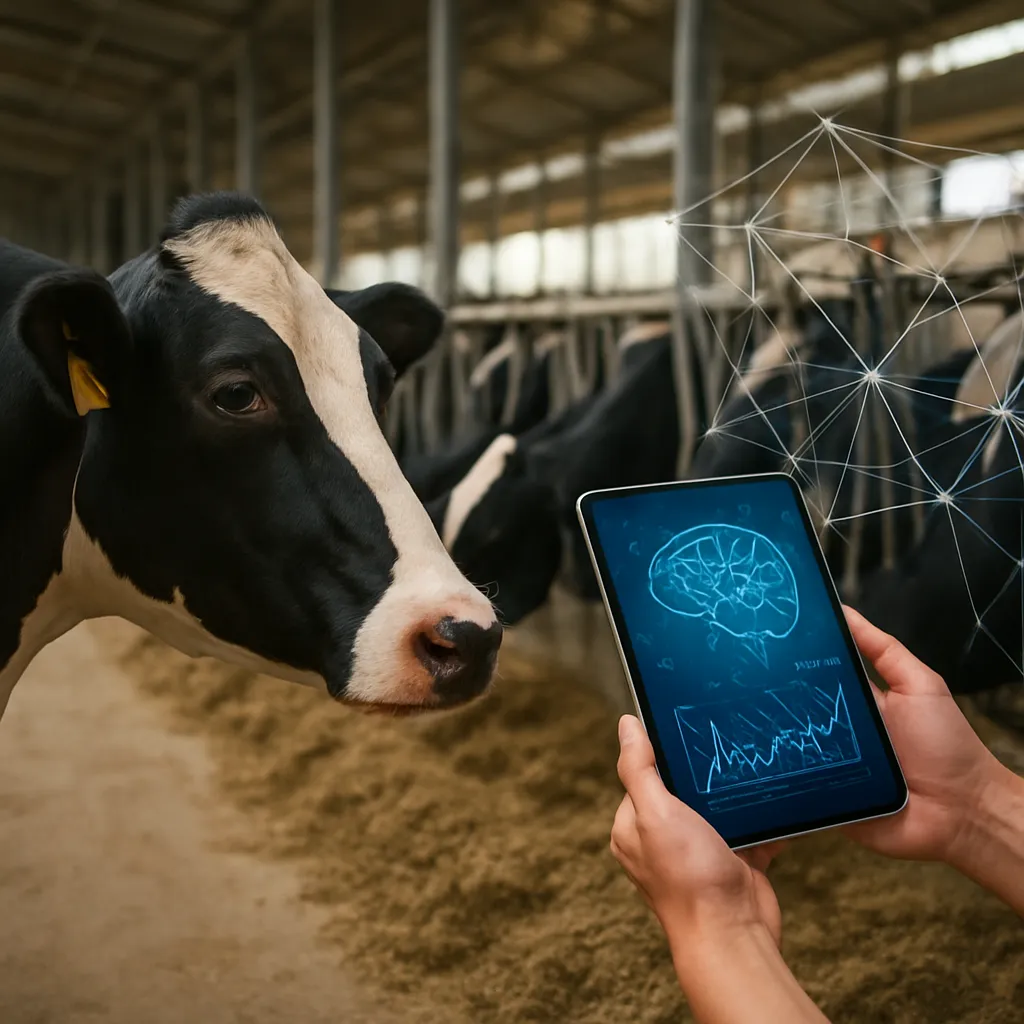
Advancements in agricultural technologies are transforming how farmers manage resources and optimize production. Among these innovations, the integration of artificial intelligence into feed formulation stands out as a game-changer. By leveraging sophisticated algorithms and real-time data, producers can ensure their herds receive the ideal balance of nutrients, improving animal health, reducing waste, and boosting overall efficiency. This exploration delves into the multifaceted world of AI-driven feed optimization and its impact on modern livestock management.
Harnessing Artificial Intelligence for Feed Formulation
In traditional feed development, nutritionists rely on static tables and periodic lab tests to recommend diets. Modern systems, however, employ precision monitoring tools and advanced computational methods to create dynamic recipes. By continuously analyzing factors such as animal weight, growth rate, environmental conditions, and feed ingredient variability, AI platforms generate tailored rations that adapt to the needs of each group or individual animal.
Data Collection and Real-Time Monitoring
Effective AI solutions begin with robust data acquisition. Sensors in feed bunks, wearable devices on animals, and environmental monitors collect streams of information, including:
- Feed intake patterns
- Ambient temperature and humidity
- Animal activity levels and behavior
- Health indicators such as body condition scores
These inputs feed into machine learning models, enabling continual refinement of diet formulations. The result is a data-driven approach that aligns feed composition with on-farm realities, ensuring minimal nutrient deficits or excesses.
Adaptive Ration Balancing
Once data is collected, optimization engines evaluate thousands of possible ingredient combinations. Key objectives include:
- Maximizing nutrient bioavailability
- Minimizing feed cost per unit of production
- Reducing environmental footprint
Contest-based solvers and genetic algorithms iterate through scenarios, prioritizing cost-effective sources of protein, fiber, and energy. The system automatically adjusts for seasonal ingredient price fluctuations, ingredient quality variations, and emerging supply constraints.
Key Technologies Driving Intelligent Feed Strategies
Several cutting-edge tools underpin the AI revolution in agriculture. Their integration creates a comprehensive ecosystem capable of delivering precision nutrition at scale.
Internet of Things and Edge Computing
Networks of edge devices capture on-farm metrics with minimal latency, transmitting essential datapoints to centralized or cloud-based platforms. Local processing enables rapid decision-making, such as adjusting feed supply rates or alerting farm staff to animal welfare issues.
Machine Learning and Predictive Analytics
Supervised and unsupervised learning models analyze historical performance and forecast future trends. These systems:
- Predict growth trajectories based on dietary inputs
- Identify early warning signs of nutritional deficiencies
- Optimize feed conversion ratios for different livestock categories
By correlating diet parameters with production outputs, managers gain actionable insights on how to tweak formulations for maximum return on investment.
Cloud Platforms and Decision Support
Cloud-based dashboards consolidate information from multiple sites, offering cross-farm benchmarking and scenario planning. Interactive interfaces allow nutritionists to:
- Simulate the impact of ingredient substitutions
- Evaluate risk associated with volatile feed markets
- Collaborate remotely with veterinarians and agronomists
This connectivity fosters a collaborative workflow, ensuring everyone from field technicians to executives remains aligned on production goals and resource allocation.
Operational Benefits and Environmental Impacts
Implementing AI-driven feed optimization delivers a suite of advantages for both producers and the planet.
Enhanced Animal Performance
- Improved weight gain and milk yield
- Reduced incidence of metabolic disorders
- More uniform herd growth patterns
Precise nutrient delivery supports healthy immune function and decreases reliance on antibiotics, aligning with consumer demands for responsibly raised proteins.
Cost Efficiency
- Lower feed wastage through targeted delivery systems
- Optimized ingredient procurement based on real-time pricing
- Streamlined logistics and inventory management
By fine-tuning every gram of feed, producers eliminate costly inefficiencies and capture higher margins on meat, dairy, or egg products.
Sustainability and Waste Reduction
- Minimized nutrient run-off into water systems
- Lower greenhouse gas emissions per unit of output
- Supports circular agriculture practices by integrating byproducts
These environmental gains reinforce long-term viability and compliance with evolving regulatory frameworks.
Challenges and Future Sustainability Prospects
While prospects are bright, widespread adoption of AI-based feed optimization faces several hurdles.
Data Quality and Standardization
Diverse sensor vendors and inconsistent data formats complicate integration. Establishing industry-wide protocols is critical to ensure that insights remain reliable across platforms.
Technical and Infrastructure Barriers
Rural operations may lack robust connectivity, limiting real-time analytics and remote management capabilities. Investments in network upgrades and edge computing resources are essential to bridge this gap.
Regulatory and Adoption Concerns
- Approval processes for novel feed additives or byproducts
- Farmer training and change management efforts
- Data privacy and ownership considerations
Collaboration among technology providers, extension services, and policy makers will accelerate best-practice frameworks, ensuring broad-based benefits.
Future Trends
Next-generation developments promise even deeper integration of AI into livestock nutrition:
- Real-time metabolic profiling via wearable biosensors
- Blockchain-based traceability from farm to fork
- Swarm intelligence for cooperative feeding strategies in large herds
These innovations will reinforce the role of monitoring and adaptive management in achieving sustainable growth targets.
Feeding Scale and ROI
As solutions mature, economies of scale will drive down implementation costs. Early adopters can expect payback periods under two years, fueled by continuous optimization of feed inputs and production outputs. Ongoing improvements in user-friendly interfaces and automated reporting will further democratize access to advanced nutrition tools.
By embracing AI-enabled feed strategies, producers not only enhance animal welfare and profitability but also contribute to global efforts toward more sustainable agriculture.