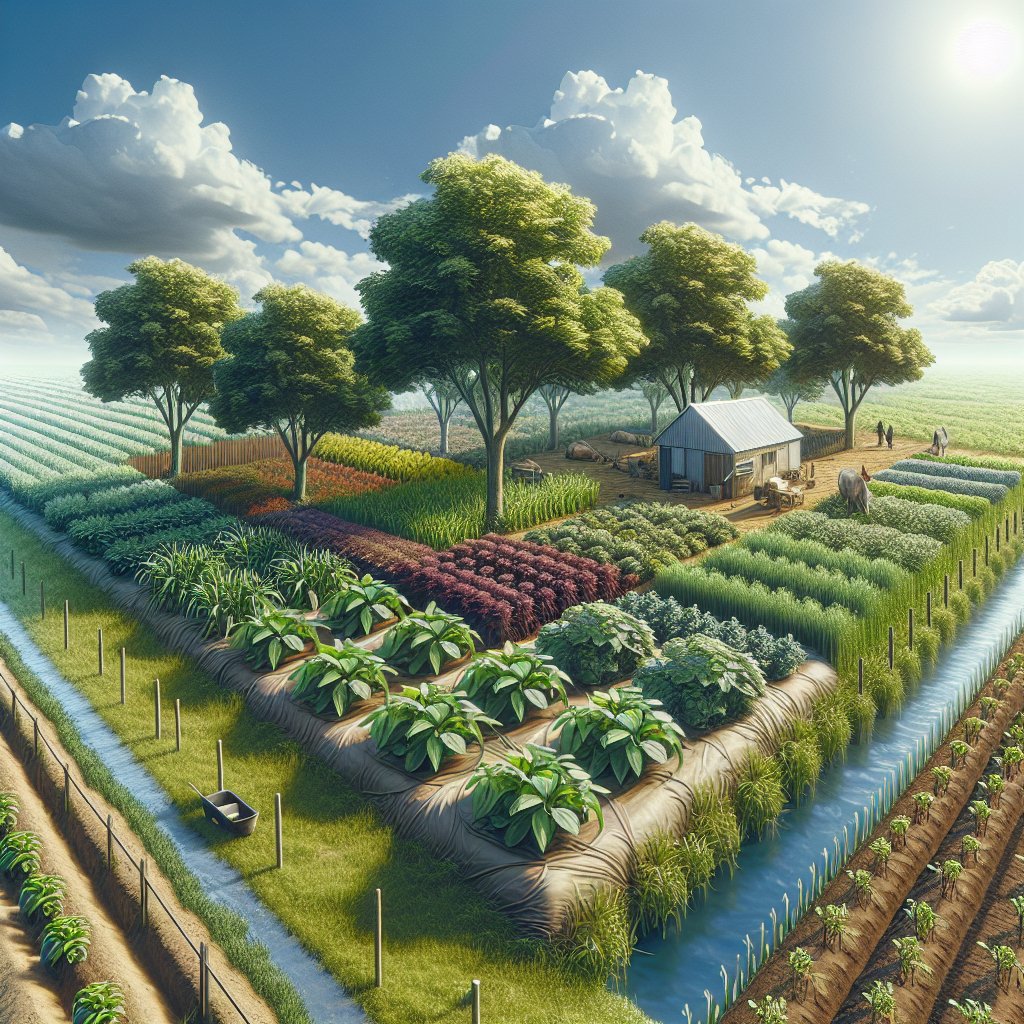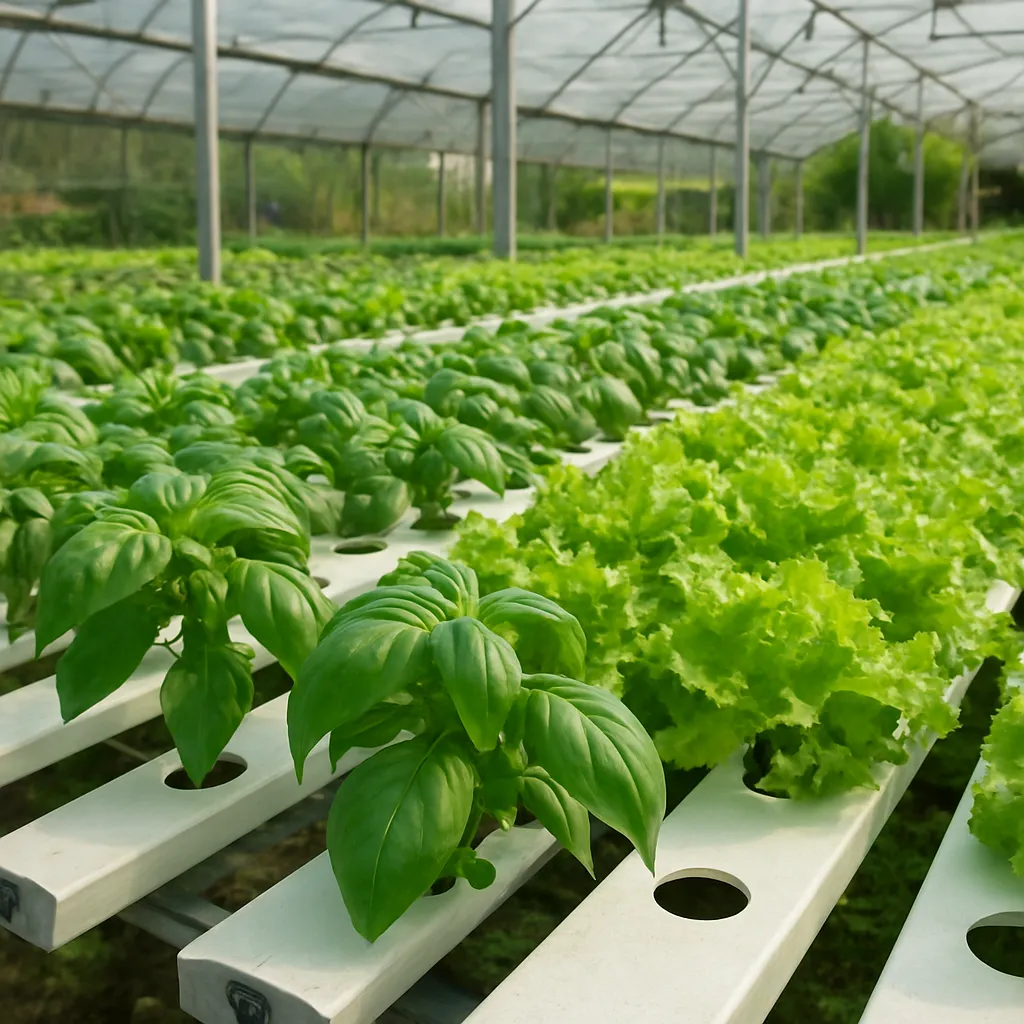
Exploring innovative agricultural methods opens doors to increased yield and resource conservation. By adopting organic hydroponics without relying on synthetic inputs, growers can cultivate healthy crops while preserving sustainability and respecting the environment. Below, we delve into strategies and best practices for establishing a thriving, chemical-free hydroponic system.
Understanding Organic Hydroponics
Traditional hydroponics often depends on chemical nutrients to fuel plant growth. In contrast, organic hydroponics harnesses natural compounds, microorganisms, and renewable resources. By eliminating synthetic fertilizers, growers support beneficial life in the root zone, fostering stronger, more resilient plants.
Defining Key Principles
- Biological activity: Encouraging microbes to break down organic matter into plant-available nutrients.
- Resource efficiency: Minimizing waste and reusing water through closed-loop systems.
- Environmental stewardship: Reducing chemical runoff and protecting ecosystems.
Advantages over Conventional Systems
- Enhanced flavor and nutritional quality due to balanced organic nutrition.
- Lower ecological footprint by avoiding petrochemical-based fertilizers.
- Improved soil-less system resilience via robust microbial communities.
Key Components of Synthetic-Free Systems
To replace standard hydroponic solutions, you’ll integrate specific organic inputs and manage them carefully. Essential elements include substrates, biofertilizers, and supportive technologies.
Choosing the Right Substrate
- Coconut coir: Provides aeration and moisture retention while being renewable.
- Expanded clay: Offers stable structure and excellent drainage.
- Rock wool alternatives: Made from natural basalt and chalk blends that mimic rock wool properties.
Natural Nutrient Sources
- Compost tea: A liquid extract rich in beneficial bacteria, fungi, and soluble nutrients.
- Fish hydrolysate: Enzymatically broken-down fish proteins supplying amino acids and microelements.
- Seaweed extracts: Contain hormones and trace minerals that promote growth and stress tolerance.
- Biofertilizers: Commercial formulations of nitrogen-fixing bacteria, mycorrhizal fungi, and phosphate-solubilizing organisms.
Designing Your System
Successful organic hydroponic design balances physical infrastructure with biological management. Careful planning ensures optimal root zone conditions and consistent nutrient availability.
System Types
- Deep Water Culture (DWC): Roots dangle in nutrient-rich aerated water; simple but requires diligent oxygenation.
- Nutrient Film Technique (NFT): Thin film of solution flows past roots, promoting oxygen intake and nutrient exchange.
- Flood and Drain (Ebb and Flow): Periodic flooding and draining cycles deliver nutrients while allowing roots to breathe.
- Drip irrigation: Slow-release drip lines target the substrate directly, reducing waste.
Maintaining Biological Balance
Organic systems rely on a thriving microbiome. Regular monitoring ensures beneficial populations outcompete pathogens. Key practices include:
- Maintaining ideal temperatures (18–24 °C) to support microbial activity.
- Aeration via air stones or integrated pumps to keep oxygen levels above 6 mg/L.
- Periodic reinoculation with fresh microbial cultures or compost tea to sustain diversity.
- pH stabilization between 5.5 and 6.2 using natural pH buffers like potassium bicarbonate.
Crop Selection and Management
Choosing the right crops and implementing best practices promotes maximal output from an organic hydroponic setup.
Ideal Crop Varieties
- Leafy greens such as lettuce and spinach, which respond quickly to nutrient changes.
- Herbs like basil, mint, and cilantro, known for their robust essential oil profiles under organic nutrition.
- Small fruiting plants, for example cherry tomatoes and strawberries, provided pollination strategies are in place.
- Microgreens and sprouts, offering rapid turnover and high market value.
Optimizing Growth Conditions
- Light: Ensure 12–18 hours of full-spectrum LED illumination or natural sunlight.
- Temperature and Humidity: Maintain air temperatures of 20–26 °C and humidity around 50–70%.
- Water Quality: Use filtered or reverse-osmosis water to prevent contaminants and heavy metals.
- Nutrient Monitoring: Employ refractometers or TDS meters, supplemented by periodic laboratory testing for precision.
Preventing and Managing Pests
Even without synthetics, integrated pest management (IPM) can effectively protect crop health.
Biological Controls
- Beneficial insects such as ladybugs and predatory mites combat aphids and spider mites.
- Microbial antagonists like Bacillus thuringiensis target lepidopteran pests without harming other organisms.
- Neem oil or insecticidal soaps derived from plant extracts for foliar application.
Cultural Strategies
- Sanitation: Regular cleaning of trays, reservoirs, and tools to remove pathogen reservoirs.
- Quarantine: Isolate new plant material until pests or diseases are ruled out.
- Crop rotation and intercropping to disrupt pest life cycles and enhance biodiversity.
Scaling Up and Commercial Considerations
Transitioning from hobby setups to commercial operations requires attention to regulations, supply chains, and quality control.
Compliance and Certification
- Organic certification bodies often require documented input lists and testing regimes.
- Good Agricultural Practices (GAP) ensure traceability and food safety standards.
Economic Viability
- Cost analysis for organic inputs versus conventional fertilizers, including long-term soil-less system health benefits.
- Market research focusing on consumer demand for chemical-free produce.
- Value-added product opportunities such as microgreen mixes and herb bundles.
Future Innovations
Ongoing research in biotechnology, microbial consortia engineering, and renewable energy integration promises to further reduce costs and boost efficiency in organic hydroponic systems. Embracing these advances will solidify the role of synthetic-free hydroponics as a cornerstone of modern, eco-conscious agriculture.