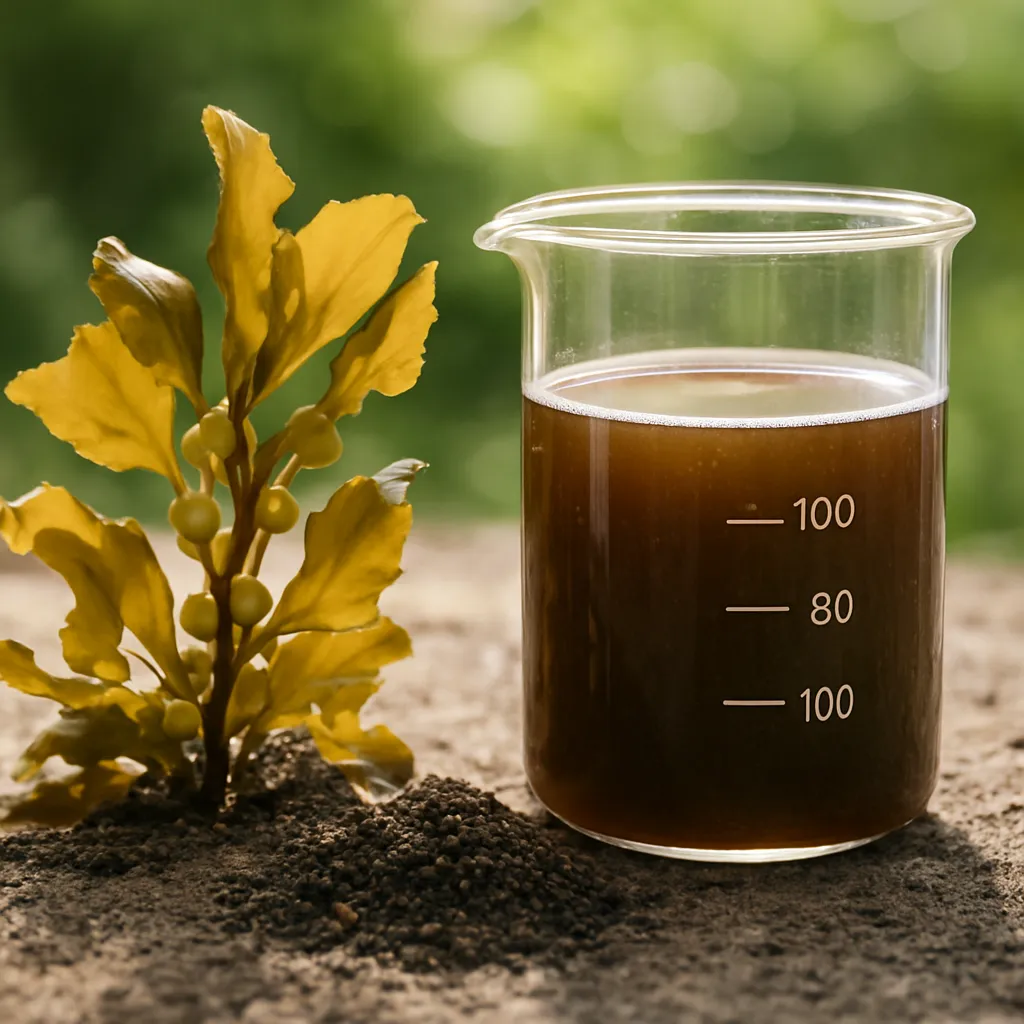
The use of marine resources is rapidly transforming the face of modern farming. Bio-pesticides derived from seaweed extracts offer farmers an innovative, eco-friendly alternative to conventional chemical treatments. These natural compounds harness the potent properties of seaweed to protect crops, improve soil health, and promote sustainable practices across diverse agricultural systems.
Seaweed Extracts as a Source of Bio-Pesticides
Seaweeds, or marine macroalgae, are rich in phytochemicals, polysaccharides, and trace minerals. When processed into extracts, they yield a spectrum of active ingredients capable of inhibiting pests and diseases. Common species used include Ascophyllum nodosum, Laminaria spp., and Sargassum spp. Their biochemical profile features:
- Alginate and fucoidan: natural polymers that form protective barriers on plant surfaces.
- Polyphenols: antioxidants that disrupt insect digestion and microbial growth.
- Betaines: osmoprotectants that enhance plant stress tolerance.
- Vitamins and minerals: essential micronutrients that stimulate plant immunity.
Processing methods—such as cold pressing, enzymatic hydrolysis, or high-pressure extraction—preserve the integrity of these compounds. The resulting formulations are biodegradable, non-toxic to humans and wildlife, and compatible with organic farming standards.
Mechanisms of Pest and Disease Control
Seaweed-derived bio-pesticides employ multiple modes of action, making them effective against a wide range of pathogens and insects. Key mechanisms include:
- Physical barrier: Polysaccharide films on leaves reduce pathogen adhesion and egg-laying by insects.
- Induced systemic resistance: Elicitors in extracts trigger a plant’s own defense pathways, boosting production of pathogenesis-related proteins.
- Direct toxicity: Certain polyphenols interfere with insect digestive enzymes or disrupt cell membranes of fungal spores.
- Microbiome modulation: Seaweed compounds encourage beneficial soil and endophytic microbes that outcompete harmful organisms.
This ecosystem-based approach diminishes the likelihood of resistance development seen with single-target chemical pesticides. Continuous use fosters a balanced agroecological environment.
Application Techniques in Modern Agriculture
Integration of seaweed bio-pesticides into farm routines requires attention to timing, dosage, and compatibility with other inputs. Best practices include:
- Seed treatment: Coating seeds with diluted seaweed extract enhances germination and early vigor, offering protection from soil-borne pathogens.
- Foliar sprays: Regular applications during the vegetative stage ensure a sustained layer of protective compounds on leaves and stems.
- Drip irrigation: Incorporating extracts into water lines delivers uniform treatment to roots and rhizosphere communities.
- Combination protocols: Pairing seaweed bio-pesticides with microbial inoculants or organic fertilisers produces synergistic effects on plant health.
Farmers typically apply concentrations ranging from 0.5% to 2% (v/v), adjusting frequency based on pest pressure and weather conditions. Studies have shown that early-season applications yield the highest efficacy in preventing outbreaks.
Environmental and Economic Benefits
Switching to seaweed-derived bio-pesticides aligns with global goals for reduced chemical use and improved sustainability:
- Soil health preservation: Biodegradable extracts avoid long-term soil contamination and support microbial biodiversity.
- Reduced non-target impacts: Beneficial insects and aquatic life remain unharmed, reinforcing natural pest control.
- Lower residual risks: No harmful residues on harvested produce, meeting stringent safety standards for consumers.
- Cost-effectiveness: While initial costs can be higher than conventional pesticides, long-term savings emerge from enhanced crop resilience and reduced input needs.
In coastal regions where seaweed biomass is abundant, local production reduces transportation footprints and creates new revenue streams for coastal communities. Integration of these extracts fosters a circular economy by valorising marine harvests.
Challenges and Future Perspectives
Despite promising results, large-scale adoption faces several hurdles:
- Standardisation: Variability in seaweed species, harvest seasons, and extraction methods can lead to inconsistent resilience outcomes.
- Regulatory approval: Many regions lack clear guidelines for marine-derived bio-pesticides, slowing market entry.
- Formulation stability: Developing shelf-stable, concentrated products that retain bioactivity over time remains an active research area.
- Farmer awareness: Extension services and training programs must disseminate knowledge on optimal use and integration strategies.
Ongoing studies are exploring genetic selection of seaweed strains with elevated active compounds, as well as cutting-edge nano-encapsulation techniques to improve delivery and controlled release. Collaboration among marine biologists, agronomists, and policymakers will be crucial to unlock the full potential of this biopesticides innovation.