Implementing smart grain bins represents a pivotal shift in modern agriculture, merging advanced IoT capabilities with robust design to safeguard crop quality and drive operational efficiency. Farmers and grain elevators are increasingly leveraging interconnected devices that continuously track critical parameters, enabling data-driven decision-making and reducing post-harvest losses. This article explores the structural innovations, cutting-edge sensing technologies, and practical applications that underpin next-generation storage solutions for cereals, pulses, and oilseeds.
Smart Bin Design and Infrastructure
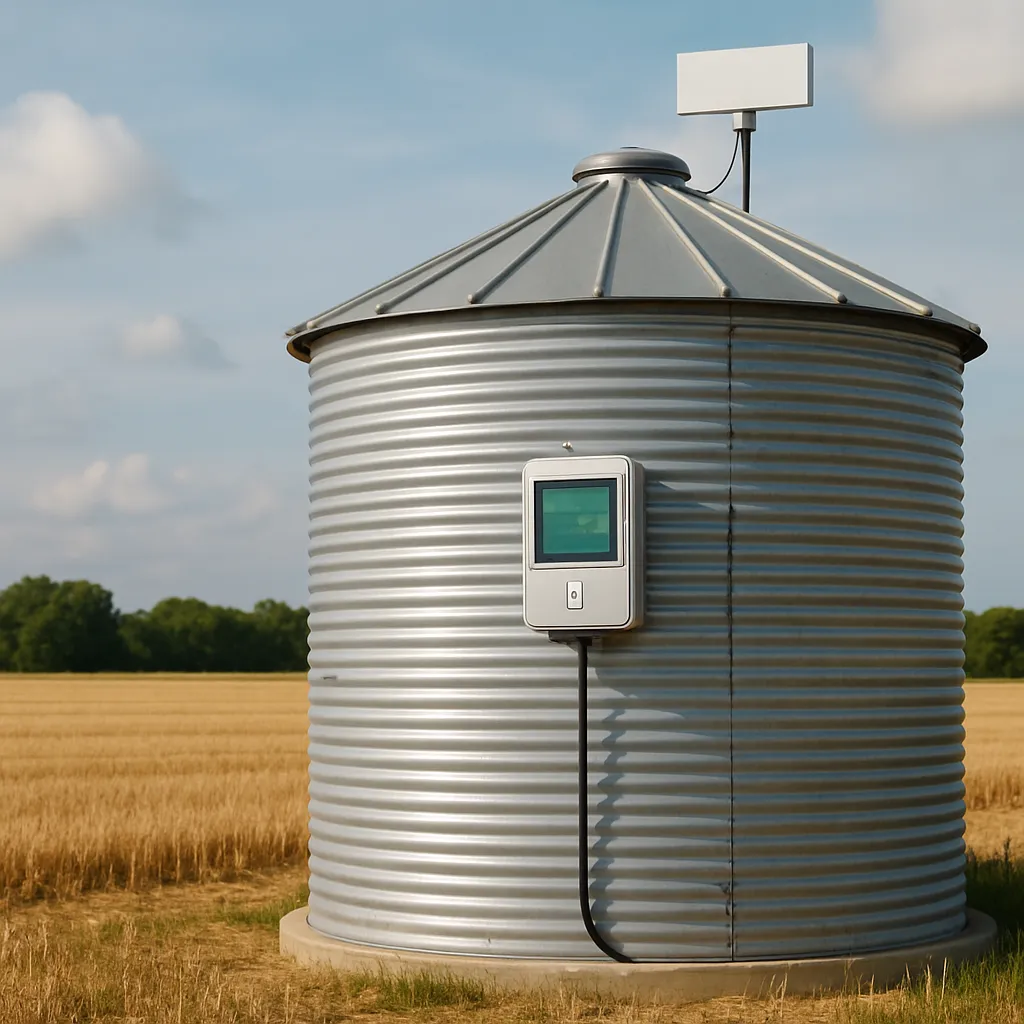
At the core of any intelligent storage system lies an optimized bin architecture tailored for modular integration of electronic components. Traditional metal or concrete silos are retrofitted with sensor mounts, wiring conduits, and communication gateways, ensuring minimal disruption to existing facilities.
Modular Construction
- Pre-fabricated sensor brackets: allow quick installation and maintenance
- Weather-resistant enclosures: protect electronics from dust and moisture
- Scalable platforms: support expansion from small-scale on-farm bins to commercial granaries
Power and Connectivity
Reliable energy supply and seamless network coverage are essential for uninterrupted data flow. Many systems utilize:
- Solar-powered arrays paired with battery backups
- Low-power wide-area networks (LPWAN) such as LoRaWAN
- Cellular or mesh network bridges to connect remote locations
A well-designed smart bin not only houses grain but also integrates easily into a farm’s broader digital ecosystem, communicating with cloud platforms and on-premises servers.
Advanced Sensing and Data Analytics
Monitoring the internal environment of a grain mass relies on a suite of sensors that capture a range of vital metrics. By translating raw measurements into actionable insights, producers can anticipate spoilage, optimize aeration, and maintain premium quality standards.
Key Sensors and Parameters
- Temperature probes: detect hotspots and fungal growth risks
- Moisture sensors: assess water content to prevent mold
- CO₂ and O₂ analyzers: indicate respiration rates and insect activity
- Pressure and airflow gauges: ensure proper circulation within the bin
Real-Time Monitoring
Continuous telemetry streams feed into dashboards, enabling stakeholders to watch evolving conditions without physical inspections. Alerts trigger when a parameter exceeds predefined thresholds, allowing prompt interventions such as:
- Automated aeration fan activation
- Targeted fumigation or controlled atmosphere adjustments
- Grain movement or blending to equalize temperature
Predictive Analytics and AI
By applying machine learning algorithms to historical and current data, platforms can forecast spoilage events days or weeks in advance. Predictive models account for variables such as ambient weather, grain varietal properties, and storage duration, recommending optimized management plans that reduce losses and energy consumption.
Integration with Agricultural Supply Chains
Smart bins serve as integral nodes in a digitalized supply chain, enabling traceability and enhancing market transparency. Data collected during storage travels through platforms that support farm management systems, cooperatives, and commodity exchanges.
Blockchain and Traceability
Distributed ledger technology can record immutable logs of sensor readings, linking a batch of grain from harvest through processing to delivery. This fosters consumer trust by providing verifiable proof of:
- Harvest date and location
- Storage conditions and quality metrics
- Transportation and handling history
Pricing and Market Access
Real-time quality data empowers sellers to negotiate premiums based on verified grain attributes. In competitive markets, high-quality lots can command better prices, while buyers gain assurance of product integrity.
Benefits and Future Directions
The adoption of smart bin technology yields multiple advantages for stakeholders across the agricultural value chain:
- Reduced post-harvest losses through proactive risk management
- Lower energy bills by optimizing aeration cycles
- Enhanced sustainability via minimized spoilage and waste
- Improved labor efficiency by limiting manual inspections
- Greater competitiveness in international markets
Looking forward, innovations will continue to refine sensor accuracy, lower hardware costs, and expand the role of advanced analytics. Integration with unmanned aerial vehicles (UAVs) and robotics may further automate bulk sampling and inspection. As the industry embraces these digital tools, smart bins will become essential assets in achieving resilient, sustainable grain production systems.