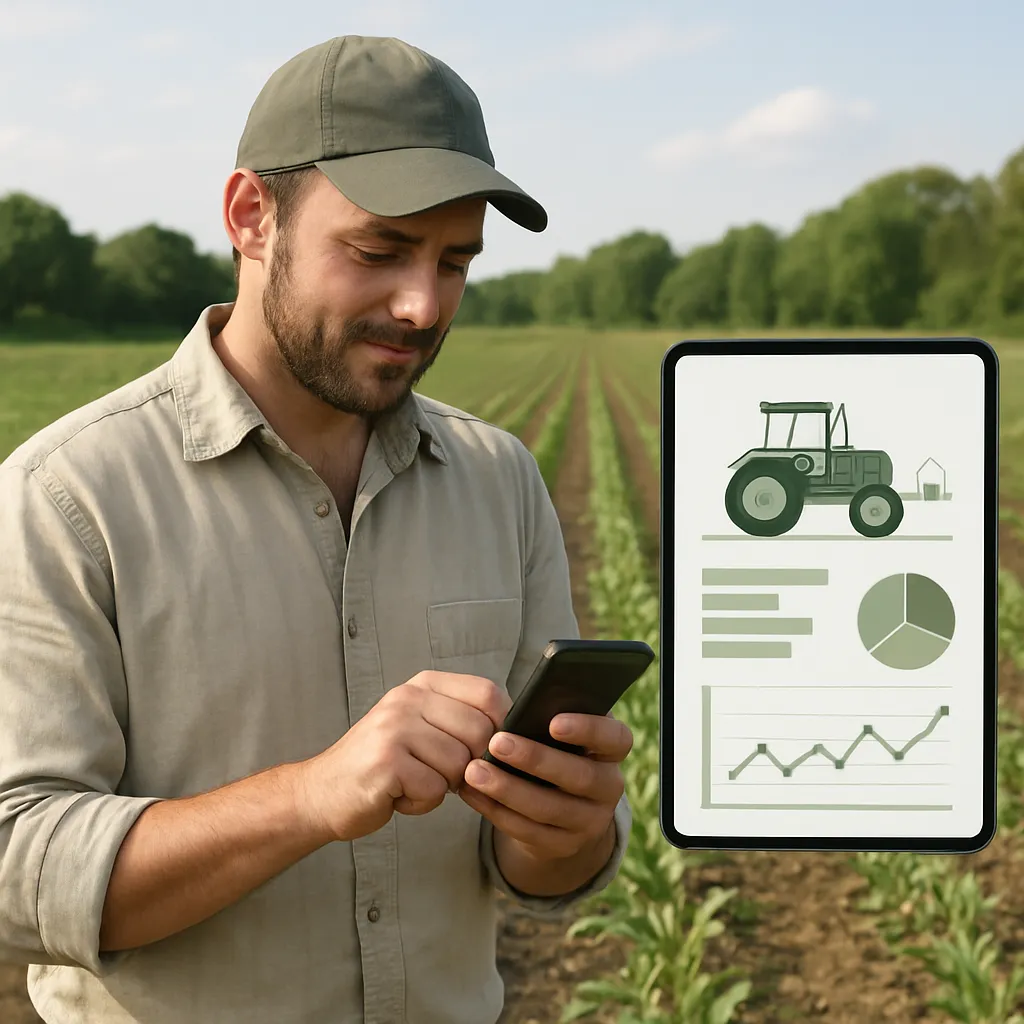
The rapid integration of mobile-first strategies in agricultural education is transforming how farmers access knowledge, implement best practices, and adapt to climate challenges. By harnessing handheld devices and powerful applications, rural and urban cultivators alike are gaining unprecedented connectivity to expert resources, weather data, and market insights. This shift not only enhances crop yield and profitability but also promotes sustainable land management and community resilience.
Adoption of Mobile Platforms in Modern Agriculture
Traditional classroom-based training often struggles to reach remote communities where internet access is limited and transport costs are prohibitive. The emergence of e-learning modules optimized for smartphones and tablets has bridged distances and democratized knowledge sharing. Key factors driving this change include:
- Accessibility: Mobile apps offer offline content downloads, subtitles, and local language support, making materials available anywhere.
- Affordability: With the widespread availability of cost-effective smartphones, smallholders find it financially feasible to enroll in digital courses.
- Flexibility: On-demand video tutorials, interactive quizzes, and real-time chat allow learners to progress at their own pace.
Technological Foundations
At the heart of these platforms are cloud-based servers, which host vast libraries of videos, interactive maps, and decision-support tools. Data analytics engines process farmers’ input on soil tests, local weather patterns, and cropping history to provide personalized recommendations. By leveraging data-driven insights, agricultural advisors can tailor guidance on irrigation schedules, pest management, and fertilization plans—delivered directly to users’ handheld devices.
Interactive Learning Tools and Content
Beyond static videos and PDFs, many mobile-first programs are incorporating gamification, virtual reality, and augmented reality to enhance engagement. These immersive experiences stimulate practical understanding of complex tasks and foster deeper retention of critical skills.
- Simulated Environments: VR modules allow learners to virtually walk through a cornfield, identifying weeds, pests, and nutrient-deficient plants without risking real crops.
- AR Overlays: Using smartphone cameras, AR apps can annotate live images of equipment, guiding users through maintenance procedures step by step.
- Interactive Quizzes: Embedded assessments provide instant feedback, reinforcing key concepts and flagging areas needing review.
Localized Content and Cultural Relevance
Customizing materials to align with regional cropping systems is crucial. Local extension agents collaborate with content creators to translate modules into native dialects and illustrate examples based on prevalent climate zones and soil types. This contextualization not only improves comprehension but also fosters community ownership over the learning process.
Case Studies and Success Stories
Grassroots Initiatives in Sub-Saharan Africa
Smallholder cooperatives in Ghana and Kenya have reported up to 30% increases in maize and sorghum productivity after adopting mobile-first advisories. These programs enabled real-time alerts on pest outbreaks and localized weather forecasts, allowing farmers to take preemptive action and minimize losses.
Precision Farming in Southeast Asia
Rice growers in Vietnam integrated mobile sensors to monitor water levels in paddy fields. Notifications triggered automated pumps to adjust flood depths, optimizing root oxygenation and reducing methane emissions. This initiative demonstrated both environmental benefits and improved resource efficiency, contributing to broader sustainability goals.
Livestock Management in Latin America
Cattle ranchers in Brazil used smartphone apps to track herd health metrics, vaccination schedules, and grazing rotations. By centralizing data and employing alert systems, farmers reduced morbidity rates and improved weight gain performance. Peer-to-peer forums within these apps also enabled producers to share insights on breeding genetics and pasture enrichment techniques.
Overcoming Barriers and Future Prospects
Despite rapid growth, several challenges remain in scaling mobile-first agricultural innovation globally:
- Infrastructure Gaps: Limited network coverage in remote regions can hamper real-time data synchronization and app updates.
- Digital Literacy: Older generations may require additional training to navigate complex interfaces and interpret analytics.
- Content Quality: Ensuring scientific accuracy and cultural appropriateness across numerous languages demands robust peer review and local collaboration.
Partnerships and Policy Support
Public-private collaborations are crucial to address these obstacles. Governments can incentivize telecom operators to expand rural broadband and subsidize devices for vulnerable communities. Meanwhile, research institutions and agtech startups should co-develop open-access curricula, backed by extension services that reinforce digital lessons with on-site demonstrations.
Enhancing System Resilience
Looking ahead, the integration of artificial intelligence and machine learning into mobile platforms promises proactive risk mitigation. Predictive models will forecast pest outbreaks, droughts, and market price fluctuations with greater accuracy, enabling farmers to adjust planting dates, select resistant varieties, and negotiate better sales contracts. Such foresight will strengthen farm-level resilience and contribute to global food security.