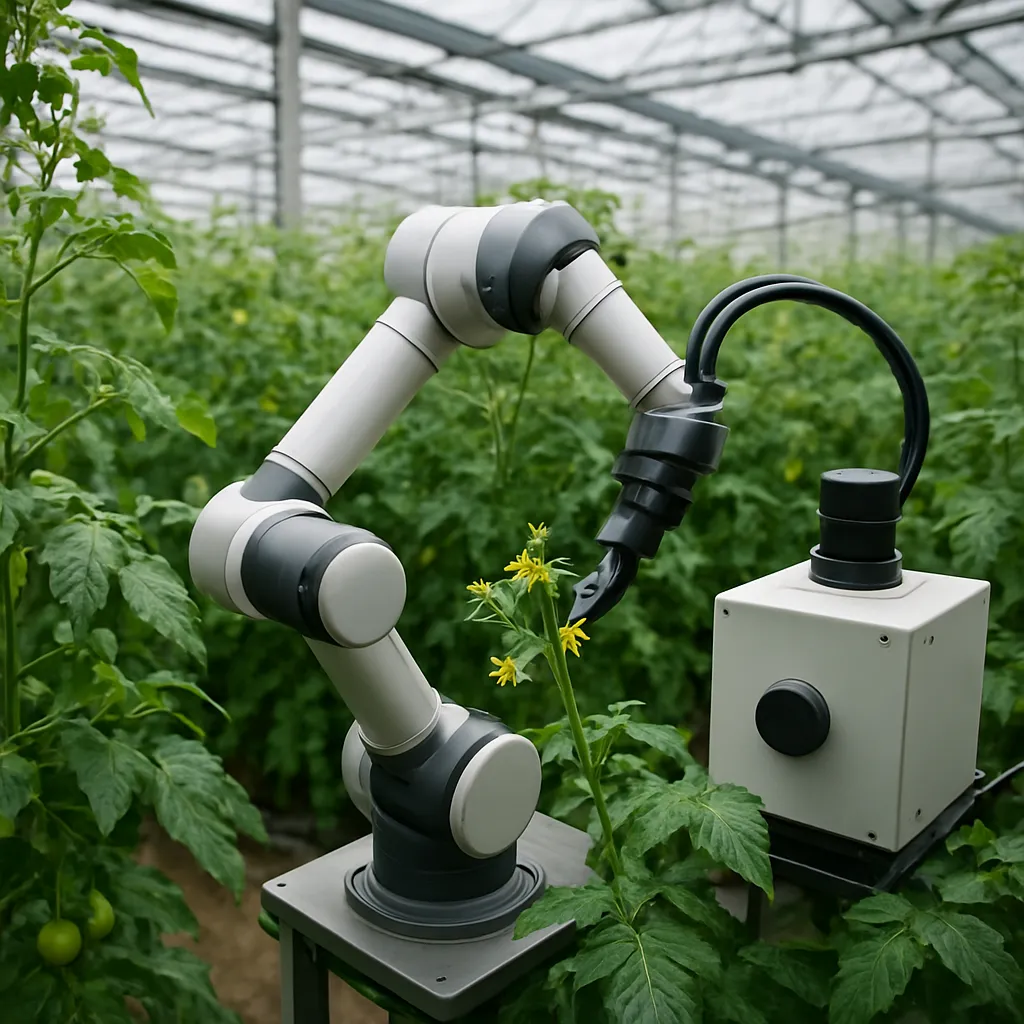
Automated greenhouse pollination systems are transforming how high-value crops receive vital pollen transfer, blending advanced technology with biological principles. By integrating robotics and digital controls, these solutions address labor shortages, optimize crop yield, and support long-term sustainability. Field trials and commercial deployments are demonstrating significant improvements in fruit set consistency and resource management without compromising the natural ecosystem balance within controlled environments.
Technology Innovations
Advanced Robotic Platforms
Recent breakthroughs in agricultural engineering have led to the development of autonomous mobile pollination units. These platforms are equipped with precision nozzles or bristle arrays that mimic the motion of insect wings. Coupled with machine vision, they recognize flowering stages in real time. Key features include:
- Multi-axis arm articulation for delicate flower contact
- Onboard cameras analyzing petal color shifts as pollination indicators
- Adaptive path planning, ensuring uniform coverage across every plant row
Robotic units are controlled by a central management system that optimizes routes based on growth curves and environmental data. The result is a more consistent application of pollen and reduced physical damage to blossoms.
Sensor Networks and Data Analytics
Integrating dense sensor arrays enhances decision-making. Temperature, humidity, and CO2 concentration monitors feed into an AI-driven algorithm that calculates optimal timing for pollination cycles. By analyzing microclimate dynamics, growers can:
- Trigger automated pollinating sweeps when humidity levels favor pollen viability
- Adjust airflow to reduce condensation that inhibits pollen transfer
- Predict bloom windows using historical and real-time growth metrics
These data-driven approaches reduce waste and increase efficiency, ensuring that every blossom has the best chance of developing into a marketable fruit.
Biological Agents Integration
Bumblebee Colonies in Controlled Environments
Traditional reliance on honeybees faces challenges in greenhouses due to limited flight space and colony stress. Bumblebees offer a robust alternative. They can buzz-pollinate certain crops more effectively, releasing pollen through vibration. When housed in specialized hives, these pollinators thrive, resulting in:
- Enhanced fruit uniformity in tomatoes and strawberries
- Reduced need for manual intervention during peak bloom
- Lower mortality rates compared to open-field apiaries
By combining robotic assistance with natural buzzing activity, hybrid systems yield both precision and biological versatility.
Pheromone Triggers and Floral Stimulation
Another frontier involves deploying synthetic floral volatiles or pheromone analogs to attract and guide insect pollinators. Dispensers release microdoses at strategic locations, steering bumblebees toward under-pollinated zones. Benefits include:
- Balanced pollinator distribution across dense plantings
- Minimized competition among colonies in adjacent greenhouses
- Opportunistic stimulation of native beneficial insects outside the greenhouse perimeter
These chemical cues, when integrated with automated dispensing, ensure that colonies remain active and efficient throughout extended bloom periods, harnessing biotechnology to bolster natural pollination behaviors.
Economic and Environmental Impacts
Cost-Benefit Analysis for Growers
Implementing an automated system requires upfront investment in hardware, software, and infrastructure upgrades. However, long-term returns arise from:
- Labor savings through reduced hand pollination hours
- Higher marketable output due to improved fruit set ratios
- Optimization of resource usage, including water and energy
Studies indicate that payback periods can be as short as two to three seasons under medium-to-large scale operations. The enhanced efficiency and predictable performance justify the capital outlay for high-value greenhouse crops.
Reducing Carbon Footprint and Resource Use
Automated pollination technologies contribute to lower greenhouse gas emissions per kilogram of produce by:
- Cutting down on transportation needs for manual labor
- Enabling precise nutrient and water application
- Leveraging renewable energy sources to power robotic fleets
When combined with integrated pest management and waste recycling, these systems foster an overall reduction in environmental impact. Studies show a measurable decline in CO2 equivalents when compared to traditional open-field pollination supplemented by manual labor and chemical pollinators.
Future Outlook for Precision Pollination
Ongoing research is pushing toward fully interoperable solutions that blend automation, real-time analytics, and live biological agents. Future enhancements may include swarm robotics working in tandem with augmented-reality guidance systems for on-site technicians, creating a seamless interface between human oversight and machine precision. The convergence of IoT, AI, and sustainable practices promises a new era of optimized agricultural production, securing food supply chains and reinforcing greenhouse cultivation as a viable, eco-friendly alternative to open-field farming.


