Advancements in agricultural technology have opened new avenues for enhancing crop productivity, optimizing resource usage, and ensuring environmental stewardship. The integration of smart sensors into farming operations is transforming traditional practices by delivering accurate, real-time data that guides decision-making. This article explores various categories of sensor technologies, their applications, and the value they bring to modern agriculture.
Precision Agriculture and Sensor Technology
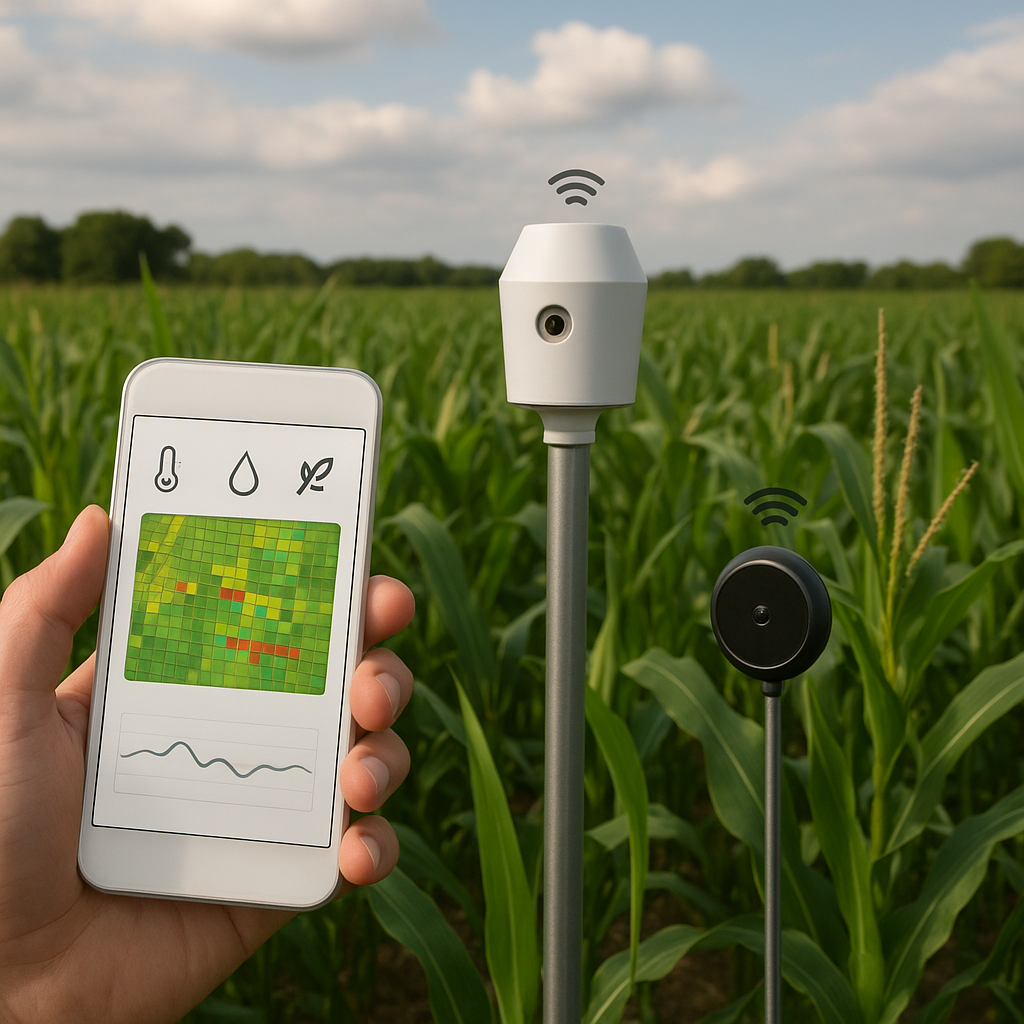
Precision agriculture emphasizes site-specific management of fields to achieve the highest possible yield with minimal waste. The core of this approach lies in deploying networks of sensors that continuously monitor key parameters such as soil moisture, nutrient levels, weather conditions, and plant health. By combining sensor outputs with advanced algorithms and mapping tools, growers can apply water, fertilizers, and pesticides only where and when they are needed.
Implementing sensor-based systems reduces operational costs while promoting sustainability. Farmers can minimize runoff, lower greenhouse gas emissions, and preserve soil structure. The transition from uniform treatment of entire fields to management based on micro-variability represents a leap forward in farm efficiency.
Soil Monitoring Sensors
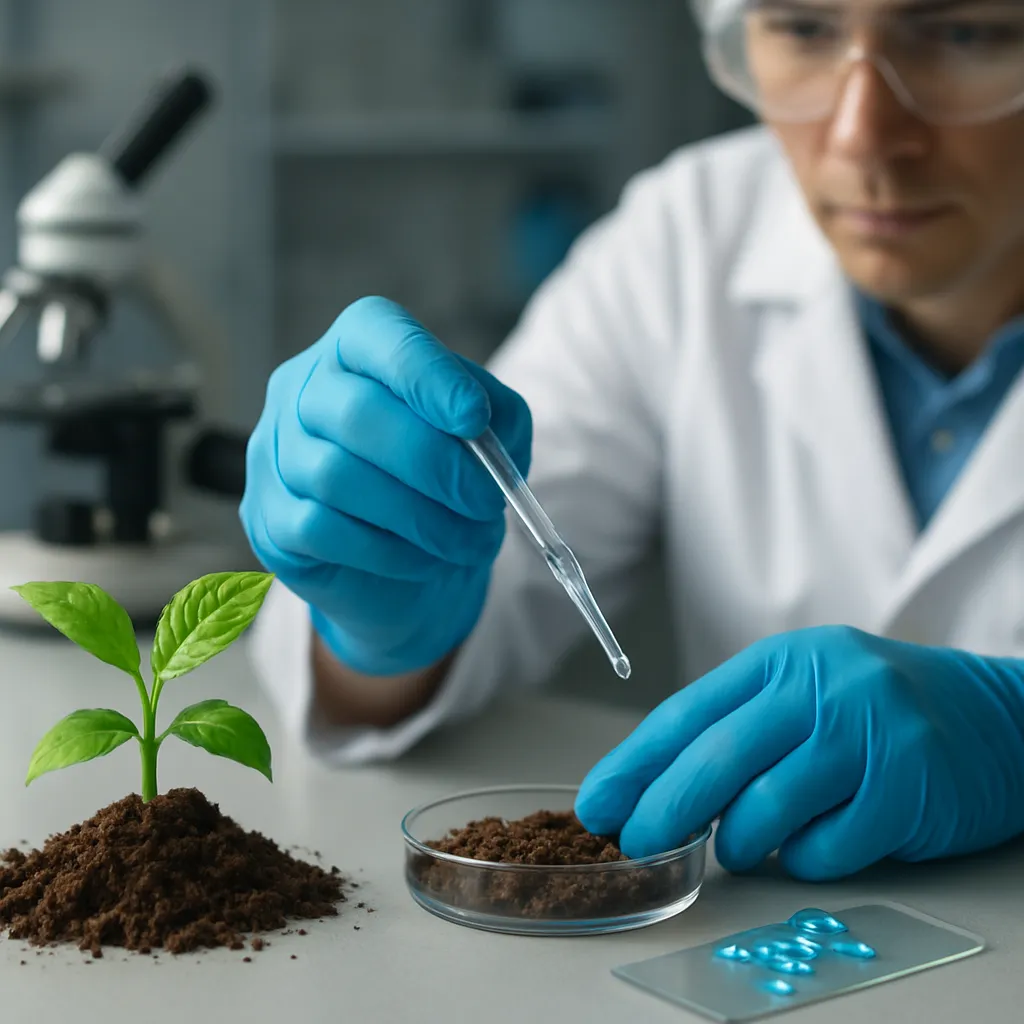
Soil is the foundation of agricultural productivity, and understanding its dynamic properties is crucial. Modern soil monitoring relies on a variety of probes and in-ground devices that capture continuous data on moisture, temperature, acidity, salinity, and nutrient content.
Soil Moisture and Temperature Probes
- Volumetric water content sensors use dielectric methods to measure moisture levels at different depths.
- Thermistors and thermocouples track temperature fluctuations that influence seed germination and microbial activity.
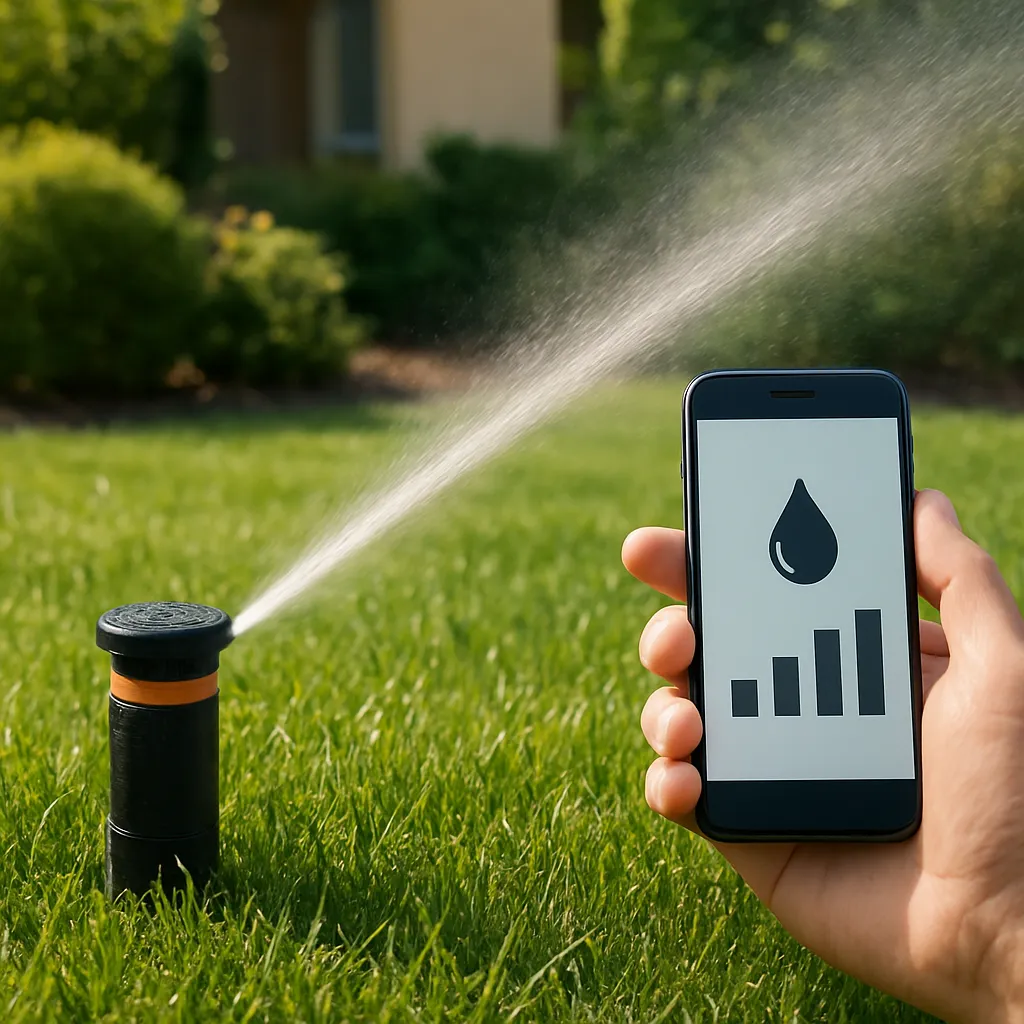
- Data helpers integrate with automated irrigation systems to trigger watering events when moisture falls below crop-specific thresholds.
Nutrient and pH Sensors
- Ion-selective electrodes assess the concentration of key macronutrients such as nitrogen, phosphorus, and potassium.
- Optical sensors detect pH changes by measuring color shifts in specialized reagents, allowing for immediate liming or acidification adjustments.
- In situ nutrient sensing reduces reliance on manual soil sampling and lab analysis, yielding faster results.
By combining multiple soil sensor types in a network, growers can generate high-resolution maps that reveal micro-variations across fields. This granularity underpins variable-rate application of fertilizers and soil amendments, enhancing crop performance while reducing environmental impacts.
Environmental and Weather Sensors
Weather conditions play a pivotal role in farm management decisions, from planting schedules to disease control. Deploying dedicated meteorological stations across fields empowers farmers with localized forecasts and alerts.
Microclimate Monitoring
- Anemometers and wind vanes gauge wind speed and direction, helping to plan pesticide spraying and minimize drift.
- Hygrometers measure relative humidity, critical for predicting fungal outbreaks and irrigation needs.
- Rain gauges capture precipitation events, informing irrigation scheduling and preventing overwatering.
Solar Radiation and Evapotranspiration Sensors
- Photosynthetically Active Radiation (PAR) sensors record the amount of light available for plant photosynthesis.
- Evapotranspiration (ET) gauges combine solar radiation, temperature, humidity, and wind data to estimate crop water use.
- Integration of ET data with irrigation controllers enables precise water budgeting, conserving resources without compromising plant health.
Access to on-site weather data enhances predictive models and supports risk mitigation strategies. Farmers can anticipate frost events, heatwaves, or drought stress, and take preemptive measures to protect crops.
Crop Health and Imaging Sensors
Detecting biotic and abiotic stress factors early is essential to safeguarding crop performance. Optical and spectral sensors mounted on drones, tractors, or stationary towers provide non-invasive health assessments.
Multispectral and Hyperspectral Imaging
- Multispectral cameras capture radiation across key bands such as visible, near-infrared, and red-edge, which correlate with chlorophyll content and plant vigor.
- Hyperspectral systems dissect hundreds of narrow spectral bands, enabling detection of nutrient deficiencies, water stress, and disease symptoms at early stages.
- Normalized Difference Vegetation Index (NDVI) maps highlight spatial variability, guiding targeted interventions.
Thermal and Fluorescence Sensors
- Infrared thermography identifies canopy temperature anomalies indicative of water stress or pathogen infection.
- Chlorophyll fluorescence sensors measure the efficiency of photosystem II, revealing subclinical stress before visual symptoms appear.
- Combining thermal and fluorescence data enhances the accuracy of crop health models.
Employing imaging sensors accelerates scouting processes while minimizing labor. Automated systems can cover vast areas quickly, producing actionable insights that lead to higher productivity and resource optimization.
Livestock and Smart Animal Monitoring
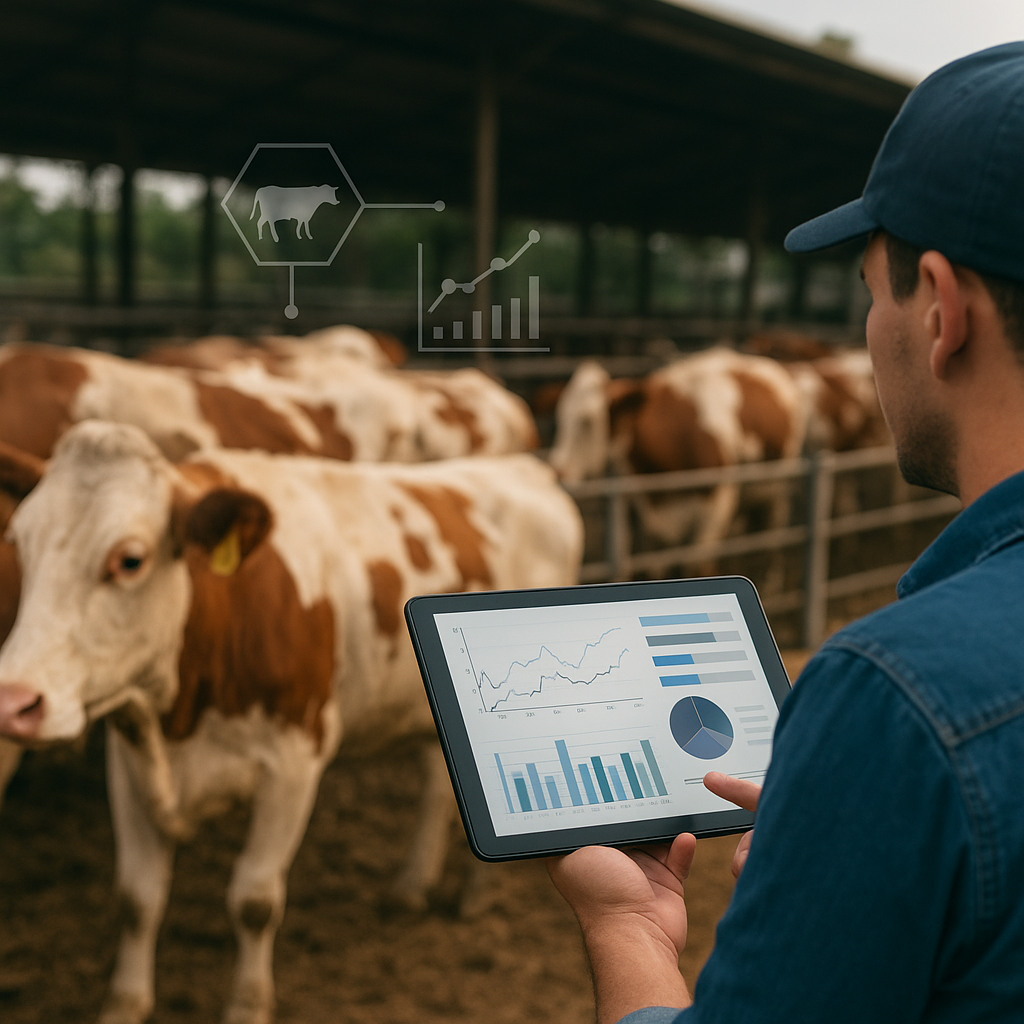
Beyond crops, sensor technology is revolutionizing animal husbandry. Wearable devices and environmental sensors track health, activity, and welfare.
Wearable Collars and Ear Tags
- Accelerometers and gyroscopes monitor activity patterns, detecting lameness or illness through deviations from normal behavior.
- GPS modules track grazing routes, ensuring animals have access to optimal pastures and preventing overgrazing.
- Temperature and heart rate sensors identify fever or metabolic disorders at an early stage.
Barn and Shelter Sensors
- Air quality monitors measure ammonia, carbon dioxide, and humidity levels to maintain a healthy environment.
- Automated feeding and watering systems respond to animal presence, reducing waste and ensuring consistent nutrition.
- Data from environmental sensors integrate with ventilation controls to optimize comfort and reduce disease pressure.
These technologies support precision livestock farming, improving animal welfare, reducing labor requirements, and enhancing overall farm efficiency.
Data Integration, Analytics, and IoT Connectivity
The true power of modern agriculture emerges when sensor outputs are aggregated, processed, and visualized within comprehensive platforms. Internet of Things (IoT) frameworks link devices through wireless networks, facilitating seamless data flow from the field to the cloud.
Edge Computing and Wireless Protocols
- Low-power wide-area networks (LPWAN) such as LoRaWAN and NB-IoT enable long-range communication with minimal energy consumption.
- Edge computing modules perform initial data filtering and anomaly detection on-site, reducing latency and conserving bandwidth.
Cloud Platforms and Data Analytics
- Cloud-based dashboards integrate geospatial mapping, time-series graphs, and predictive models accessible via web or mobile apps.
- Machine learning algorithms analyze historical and current sensor data to forecast disease outbreaks, pest infestations, and optimal harvest windows.
- Decision support systems generate automated recommendations for automation of tasks like variable-rate seeding and precision spray.
By harnessing robust analytics, growers can refine management zones, anticipate threats, and continuously improve operational protocols. Connectivity ensures stakeholders across the supply chain remain informed, from agronomists and equipment operators to marketers and end consumers.
Future Directions and Challenges
Ongoing innovation in sensor miniaturization, battery efficiency, and connectivity protocols is paving the way for even more pervasive adoption. Emerging technologies such as biosensors for real-time pathogen detection, blockchain integration for traceability, and autonomous ground vehicles equipped with multi-sensor arrays are on the horizon.
However, challenges remain. Sensor calibration, data standardization, and cybersecurity must be addressed to achieve reliable, interoperable systems. Training farmers in data literacy and ensuring cost-effective deployment in smallholder settings are critical for equitable technology diffusion.
With continued advancements and collaborative efforts among researchers, technology developers, and growers, sensor-driven precision agriculture promises to meet the dual goals of boosting productivity and preserving natural resources for future generations.