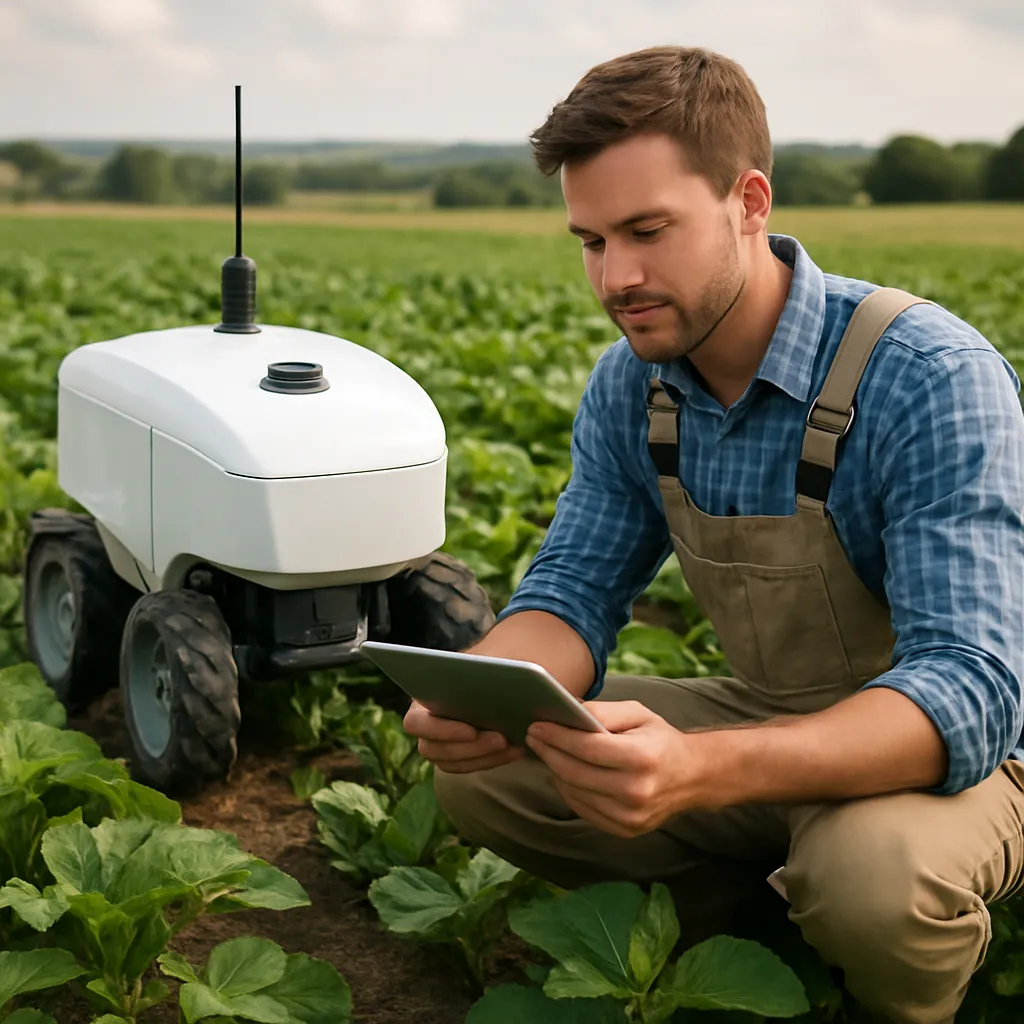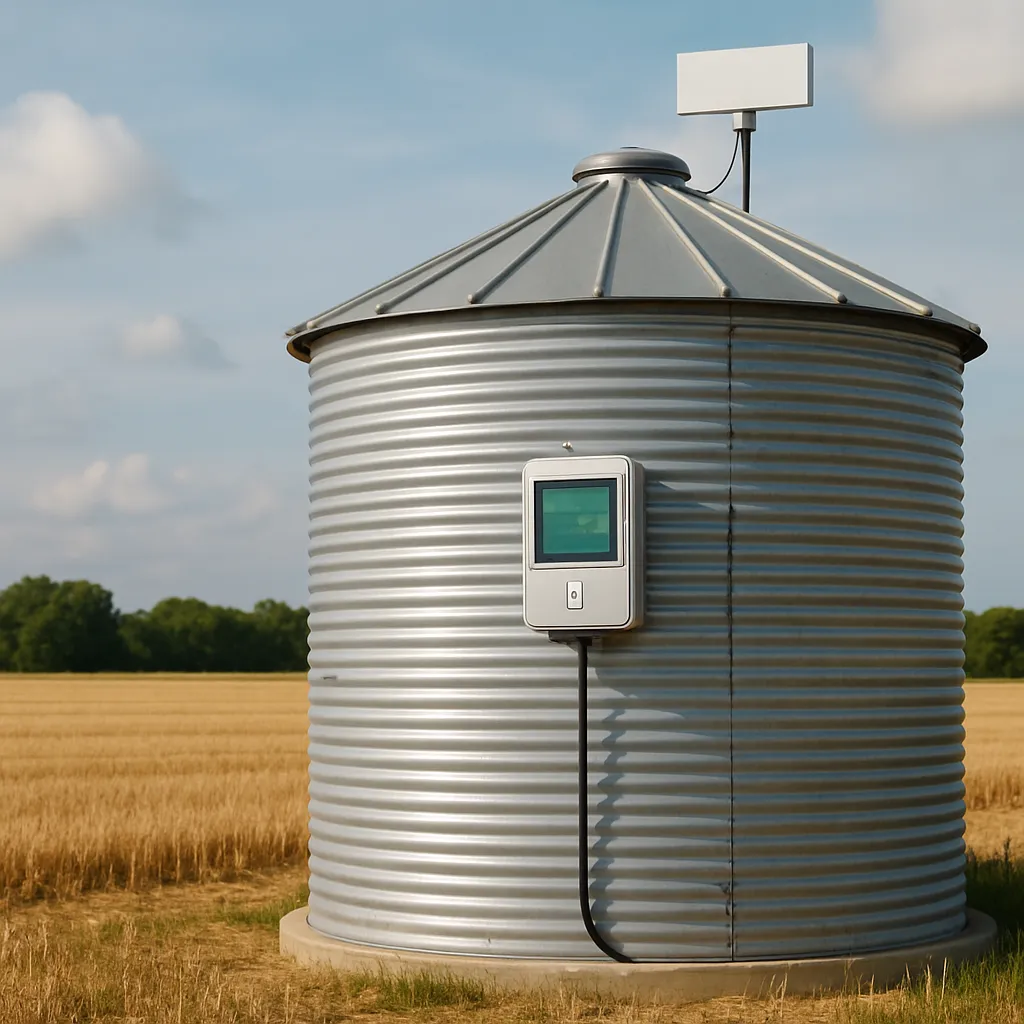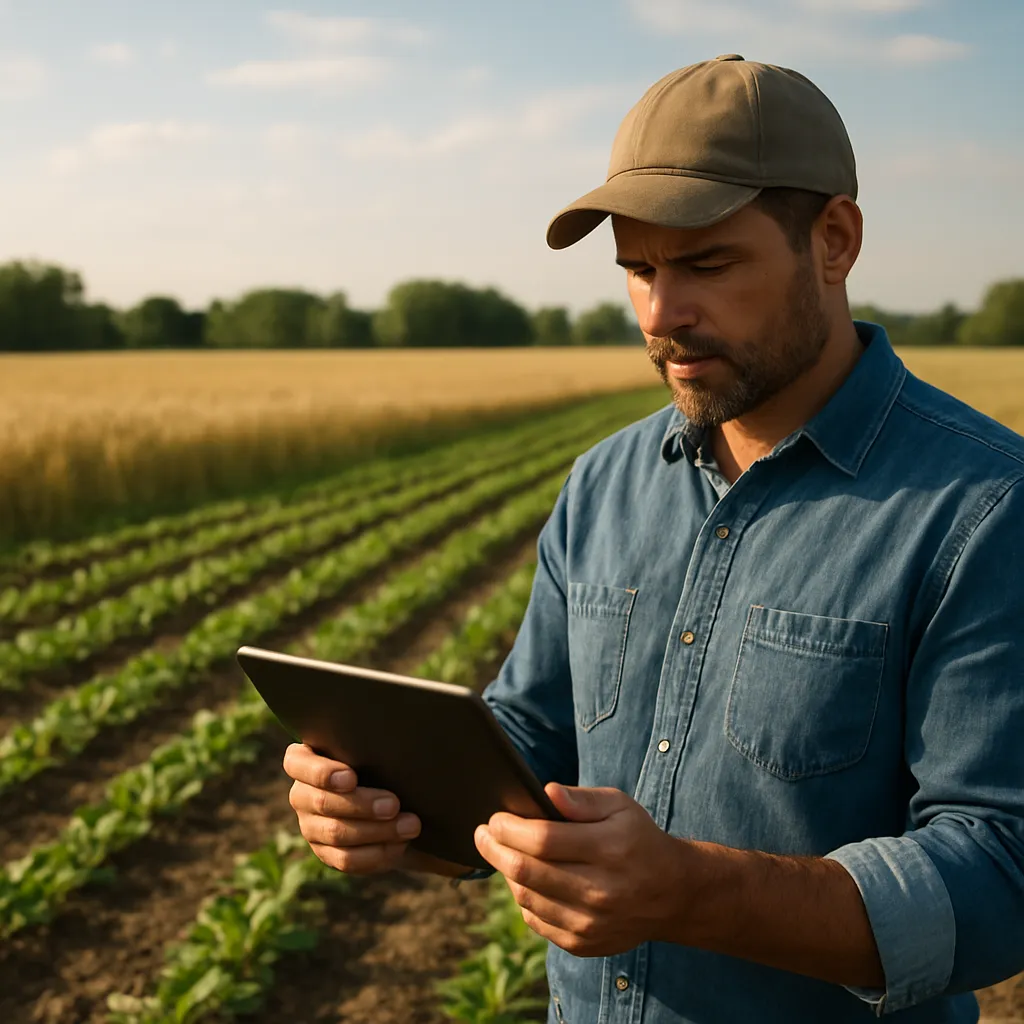
Farmers around the world rely on secure land tenure for their livelihoods, yet traditional property records often suffer from fragmentation, inefficiency, and vulnerability to fraud. Digital land ownership systems promise to transform agricultural practices by integrating advanced technologies with agricultural management strategies. This article explores the potential of these systems to empower rural communities, improve administrative efficiency, and foster sustainable development in the agricultural sector.
Understanding Digital Land Ownership Systems
At its core, a digital land ownership system replaces paper-based records with an electronic registry that tracks property rights, transactions, and geographic boundaries. This approach leverages:
- Blockchain ledgers to ensure tamper-proof entries.
- Geospatial mapping tools for precise boundary delineation.
- Smart contracts to automate transaction workflows.
By shifting from manual archives to a transparent and distributed network, stakeholders—from smallholder farmers to government agencies—can access up-to-date information with minimal administrative overhead. The integration of satellite imagery and GPS data further enhances the system’s ability to monitor land use, detect encroachments, and validate crop insurance claims in real time.
Key Technological Components
Blockchain Infrastructure
Blockchain serves as the backbone for many digital land registries, offering:
- Security: Cryptographic algorithms protect each record against unauthorized modifications.
- Decentralization: Multiple nodes maintain the ledger, reducing single points of failure.
- Immutability: Once a transaction is confirmed, it becomes a permanent part of the history.
These attributes make blockchain particularly well-suited for preserving the integrity of property rights in areas where legal systems may be under-resourced or prone to corruption.
Smart Contracts and Automated Transactions
Smart contracts are self-executing code snippets that trigger actions when predefined conditions are met. In the context of land deals, they can:
- Automatically transfer title deeds upon payment verification.
- Release insurance payouts when satellite data indicate crop loss.
- Enforce lease agreements by monitoring rent schedules and penalty clauses.
This level of automation reduces human error, speeds up transactions, and cuts down on legal fees.
Benefits for Agricultural Communities
Implementing digital land systems brings multiple advantages for farmers and rural economies:
- Efficiency: Streamlined registration and transfer processes save time and resources.
- Traceability: Clear ownership chains help in securing loans and entering export markets.
- Inclusive access: Mobile-friendly platforms empower women and marginalized groups to register land independently.
- Conflict reduction: Transparent records lower disputes over boundaries and inheritance.
- Encouraging investment: Secure land tenure makes long-term improvements—such as irrigation systems or agroforestry—more attractive.
By formalizing land rights digitally, governments can also broaden their tax base and channel funds into rural infrastructure, creating a virtuous cycle of development.
Challenges and Considerations
Despite its promise, the rollout of digital land ownership systems faces several hurdles:
- Digital Literacy: Small-scale farmers may lack the skills to navigate electronic platforms.
- Infrastructure Gaps: Reliable internet and power supply are prerequisites often missing in remote areas.
- Legal Frameworks: Many jurisdictions need comprehensive reforms to recognize electronic deeds as legally binding.
- Privacy Concerns: Balancing transparency with data protection is critical to avoid misuse of personal information.
- Cost of Implementation: Initial setup, training, and ongoing maintenance require substantial investment.
Addressing these issues demands collaboration between policymakers, technology providers, and civil society organizations to ensure equitable access and long-term sustainability.
Case Studies from Around the Globe
East Africa’s Blockchain Title Project
In a pioneering initiative, a consortium of local authorities and global tech firms piloted a blockchain-based land registry in Kenya and Rwanda. The project achieved:
- Over 150,000 parcels registered within 18 months.
- A 40% reduction in title processing times.
- Enhanced cross-border dispute resolution between farmers and pastoralists.
Farmers reported increased willingness to invest in soil conservation, citing newfound security of tenure as motivation.
Latin America’s Geospatial Integration
Several South American countries have integrated satellite monitoring with digitized land registries. Highlights include:
- Real-time alerts for illegal deforestation in Brazil’s Amazon frontier.
- Precision mapping of microplots in Colombia, boosting coffee quality certifications.
- Community-based validation workshops in Peru to reconcile indigenous claims with national records.
These systems combine high-resolution imagery with community input, strengthening both transparency and cultural rights.
Future Directions and Innovations
Emerging trends indicate a shift toward more holistic resource management:
- Tokenization of land assets, enabling fractional ownership and new investment models.
- Integration with climate-smart agriculture platforms to link carbon credits with land parcels.
- AI-driven analytics to predict yield outcomes and guide sustainable land use practices.
- Interoperability standards that allow cross-border recognition of digital deeds.
These advances promise to elevate land registries from static databases to dynamic ecosystems that support sustainability and resilience across the agricultural value chain.
Implementing a Digital Land Registry: Best Practices
For governments and NGOs seeking to deploy such systems, the following steps are essential:
- Stakeholder Engagement: Involve farmer cooperatives, local chiefs, and legal experts from day one.
- Capacity Building: Offer training sessions and user-friendly interfaces tailored to low-literacy users.
- Regulatory Alignment: Update land laws to recognize electronic signatures and digital records.
- Pilot Projects: Start small to refine technical workflows and community outreach strategies.
- Monitoring & Evaluation: Use key performance indicators—such as reduced disputes and increased credit access—to measure impact.
By following these guidelines, implementers can maximize adoption rates and ensure that digital registries deliver tangible benefits to farming communities.
Conclusion
Digital land ownership systems represent a transformative leap for the agricultural sector, uniting efficiency, security, and equitable access to land rights. As technology continues to evolve, these platforms will serve as foundational infrastructure for rural development, enabling sustainability, investment, and resilience in the face of global challenges.