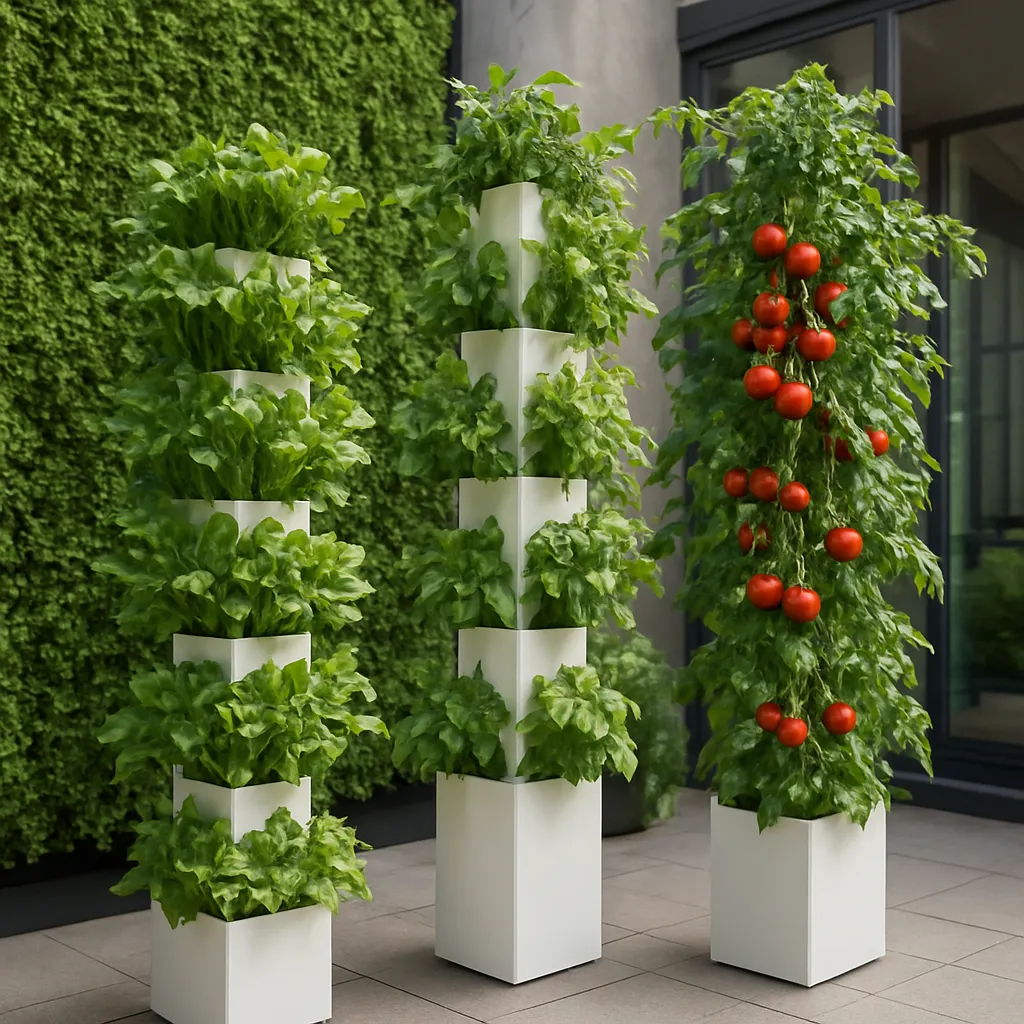
The Future of Edible Vertical Gardens explores how urban agricultural systems are evolving into high-tech, space-saving solutions that promise to transform food production. By integrating sustainable practices, advanced hydroponic and aeroponic systems, and data-driven management, these living walls can deliver fresh produce in dense cities with minimal resource inputs. This article examines key benefits, cutting-edge technologies, research directions, and policy considerations shaping the next generation of edible vertical farms.
Advantages of Edible Vertical Gardens in Urban Environments
Vertical farming offers a paradigm shift from sprawling rural fields to compact, multi-level growing platforms. Such systems leverage gravity and controlled environments to maximize efficiency and yields. Key benefits include:
- Optimized Land Use: Converting walls and facades into productive green surfaces reduces the need for large farmland acreage.
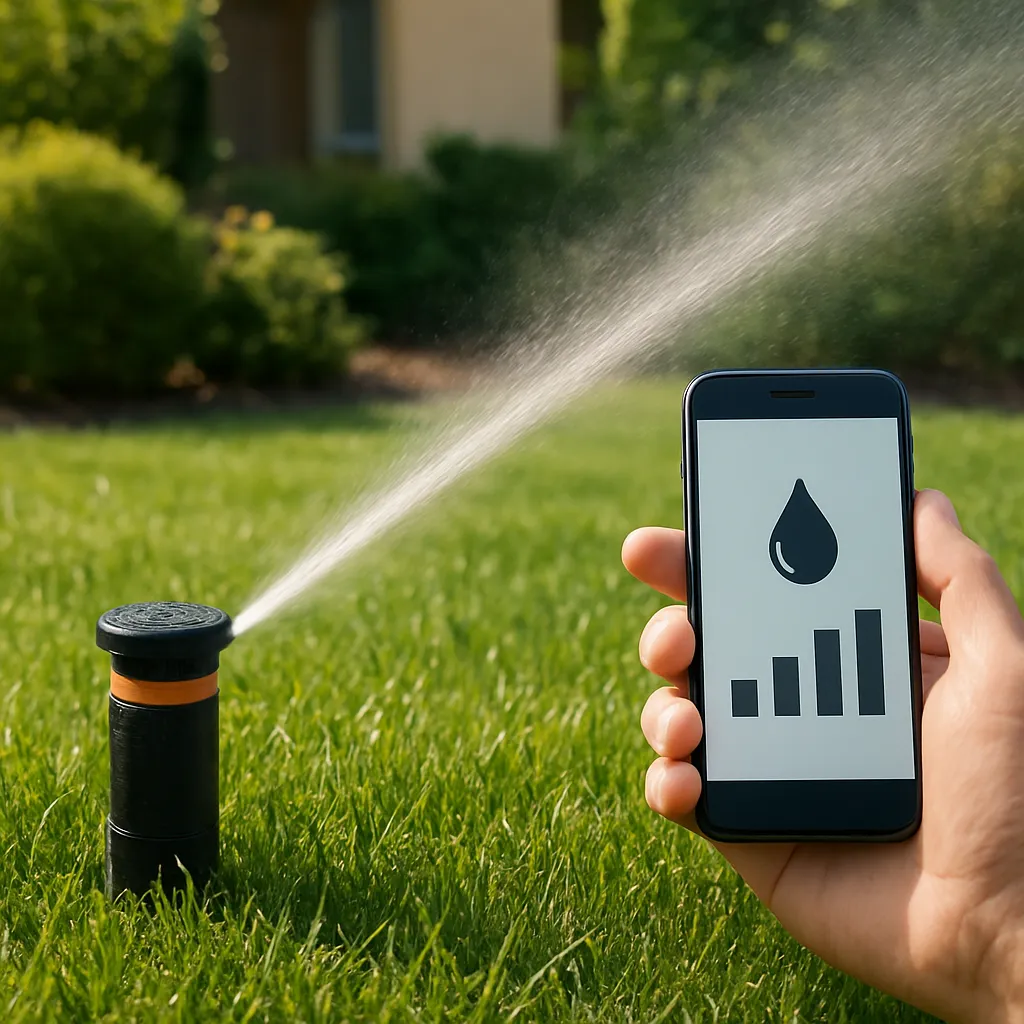
- Water Conservation: Recirculating hydroponics and aeroponics recover up to 90% of water compared to traditional soil-based agriculture.
- Proximity to Consumers: Urban vertical farms cut transport distances, enhancing freshness and reducing carbon emissions associated with food distribution.
- Enhanced biodiversity: Incorporating a variety of vegetables, herbs, and edible flowers enriches urban ecosystems and supports beneficial insects.
- Climate Resilience: Indoor climate control shields crops from extreme weather events, ensuring stable yields year-round.
Furthermore, these installations can serve as living laboratories for intelligent farming. Sensors and automation track environmental parameters—light intensity, temperature, humidity, nutrient levels—enabling precise adjustments that boost productivity and quality. The result is a resilient food supply chain that can adapt to changing urban demographics and climate patterns.
Core Technologies Shaping Tomorrow’s Vertical Farms
Innovations in materials science, robotics, and data analytics are powerful drivers of the edible vertical garden revolution. Notable advancements include:
- LED Lighting Systems: Programmable full-spectrum lights support photosynthesis and can be tuned to accelerate vegetative growth or flowering stages.
- Automated Nutrient Delivery: IoT-enabled dosing pumps mix water and minerals with pinpoint accuracy, maintaining ideal nutrient solutions for different plant species.
- Modular Rack Designs: Prefabricated vertical modules allow rapid scaling and reconfiguration of farm layouts to suit building footprints and aesthetic requirements.
- Machine Learning Algorithms: Predictive models analyze sensor data to forecast plant health issues and recommend corrective actions before stress symptoms appear.
- Drone and Robot Harvesters: Autonomous machines navigate narrow aisles to prune, harvest, and package fresh produce with minimal human labor.
In combination, these technologies form an integrated ecosystem where each component communicates in real time. Such connectivity ensures optimal resource allocation, reducing waste and enhancing overall farm efficiency. Moreover, remote monitoring platforms provide urban farmers the freedom to oversee operations via smartphones and cloud dashboards from anywhere in the world.
Research Directions and Technical Challenges
Despite rapid progress, edible vertical gardening faces several hurdles before reaching global maturity. Ongoing research areas include:
- Energy Consumption: Although LED technology has improved, lighting remains a major energy draw. Innovations in solar integration and energy storage are critical to achieving net-zero operations.
- Pest and Disease Management: Even in closed environments, pathogens and pests can propagate. Developing biological control agents and sterile cultivation chambers can minimize reliance on chemical treatments.
- Crop Selection: Not all vegetables adapt well to vertical platforms. Breeding or selecting varieties with compact growth habits, rapid cycles, and strong root-to-shoot ratios is essential.
- Structural Engineering: As farms expand upward, wind loads and building safety codes become significant. Designing lightweight yet robust framing systems can ensure stability during storms and seismic events.
- Economic Viability: High initial capital costs deter many investors. Financial models that incorporate leasing, community-supported agriculture partnerships, and government incentives can help demonstrate long-term profitability.
Researchers also explore the integration of innovation hotspots within urban vertical farms. By embedding laboratories and pilot lines on-site, scientists can trial new crop varieties, test novel sensor arrays, and refine resource-recovery technologies. This approach fosters rapid iteration and accelerates the transition from concept to commercial application.
Community Engagement and Policy Implications
Edible vertical gardens thrive when embedded in a supportive social and regulatory framework. Key policy initiatives and community-driven strategies include:
- Incentive Programs: Tax credits, grants, and low-interest loans can lower the barrier to entry for entrepreneurs and cooperatives launching vertical farms.
- Urban Planning Integration: City zoning codes should recognize vertical farming as an essential land use, granting access to rooftops, parking garages, and vacant facades.
- Educational Outreach: Workshops, school partnerships, and demonstration gardens help teach citizens about sustainable food systems and inspire the next generation of urban agriculturists.
- Local Food Hubs: Establishing distribution centers near vertical farms can connect producers with restaurants, retailers, and food banks, ensuring equitable access to fresh produce.
- Public–Private Collaborations: Joint ventures between municipalities and tech companies can fund research, share best practices, and co-develop scalable pilot projects.
When communities champion these initiatives, edible vertical gardens become more than mere food factories; they transform into hubs of social innovation, green education, and economic revitalization. By democratising access to fresh, locally grown produce, these systems foster resilience and strengthen food sovereignty in rapidly urbanizing regions.
Envisioning a Resilient Food Future
Progressively, vertical farming networks may span entire city blocks, forming interconnected “food wall” corridors that supply neighborhoods with hyper-local produce. Advances in renewable energy, such as building-integrated photovoltaics, will power climate-controlled chambers, driving urban agriculture toward carbon-neutral or even carbon-negative operations. Meanwhile, closed-loop hydroponic systems will recycle water, capture biowaste for composting, and produce on-site biofertilizers to bolster soil-based community gardens.
By embracing multidisciplinary collaboration among engineers, agronomists, urban planners, and policymakers, edible vertical gardens will emerge as a cornerstone of 21st-century food systems. They promise not only to feed growing populations but also to cultivate healthier, greener, and more connected cities worldwide.