Effective management of marine resources relies on a data-driven approach that combines rigorous research, innovative tools, and collaborative frameworks. By leveraging modern techniques in collection, analysis, and interpretation, stakeholders can optimize harvests, minimize environmental impacts, and secure long-term sustainability for valuable aquatic populations.
Harnessing Data for Intelligent Resource Assessment
Implementing an advanced system for stock evaluation begins with comprehensive monitoring protocols. Traditional methods such as trawl surveys and catch records are being supplemented by remote sensing, acoustic sampling, and tagging technologies. These measures establish a robust foundation for reliable stock assessment and real-time updates on fish distribution, abundance, and migration patterns.
- Acoustic surveys using multi-frequency sonar to map biomass distribution
- Satellite imagery to track environmental variables like sea surface temperature and chlorophyll levels
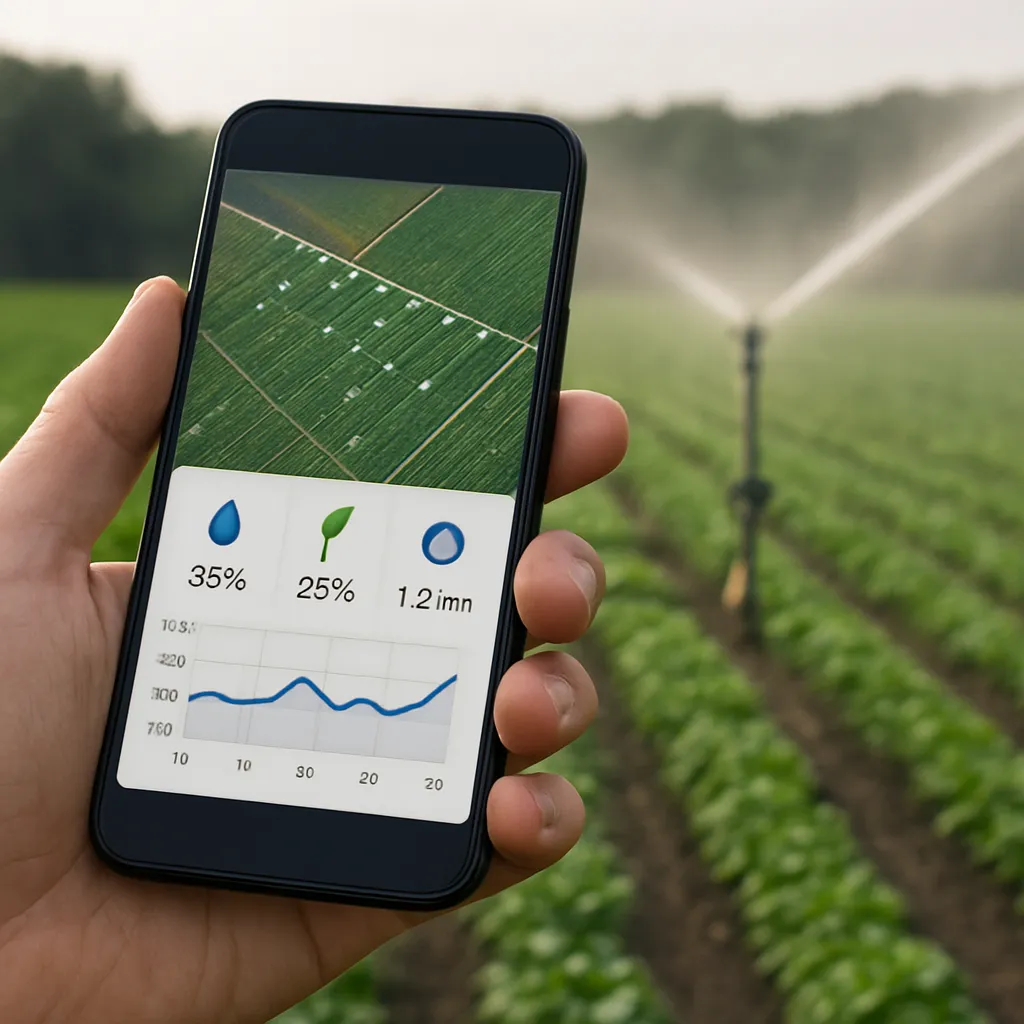
- Electronic logbooks and mobile applications for fishers to report catch data instantly
- Automated underwater cameras combined with AI recognition systems for species identification
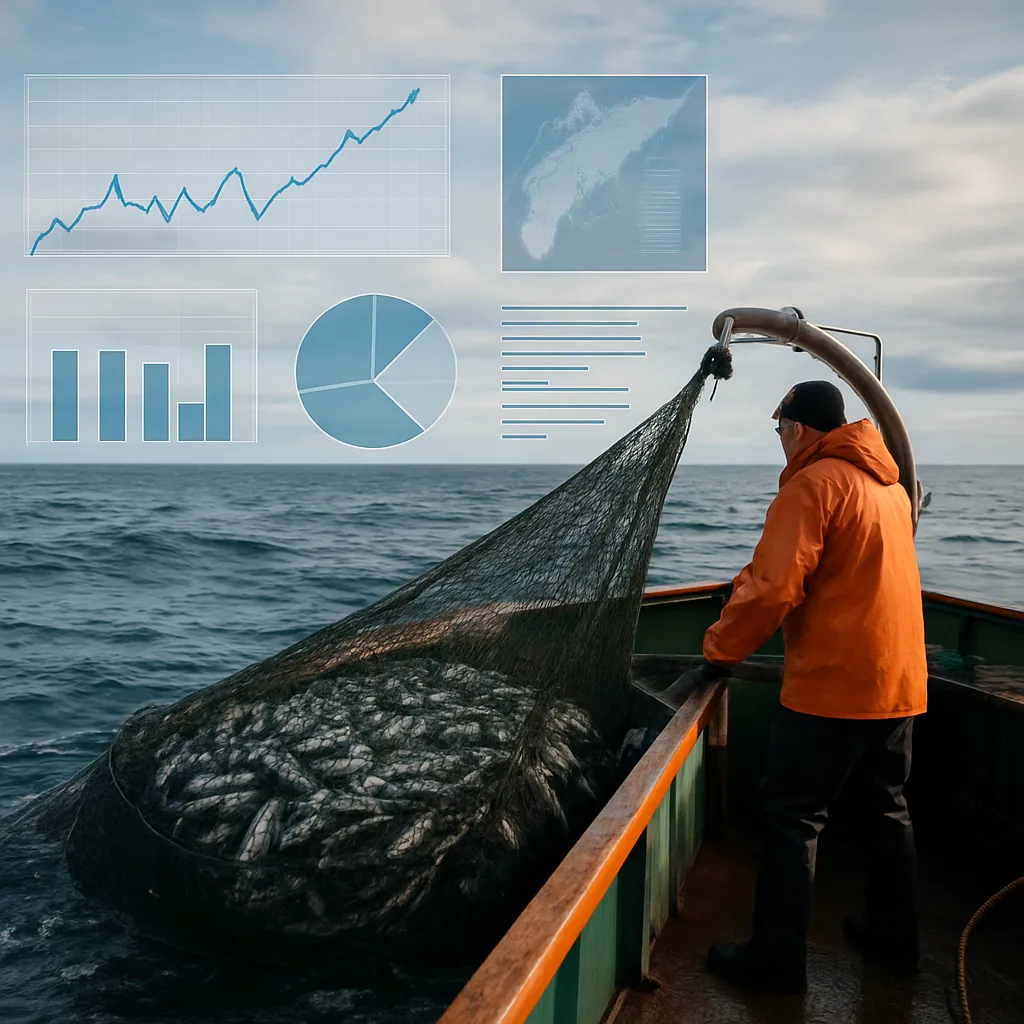
Integrating these datasets into centralized databases enables scientists and managers to apply sophisticated analytics frameworks. Statistical models and machine learning algorithms can detect trends, forecast yields, and identify potential overexploitation before it becomes critical. This predictive capacity strengthens decision-making processes and supports adaptive management strategies tailored to specific regions and species.
Innovative Techniques in Ecosystem-Based Management
Focusing solely on target species often overlooks the complex interactions within the marine ecosystem. A holistic approach accounts for predator-prey relationships, habitat requirements, and environmental stressors such as climate change, pollution, and ocean acidification.
Integrating Environmental Indicators
- Temperature and salinity sensors to monitor water column conditions
- Plankton sampling to gauge primary productivity and food web dynamics
- Benthic surveys assessing seabed health and nursery grounds
These environmental indicators feed into ecosystem models that simulate food web connectivity and habitat suitability. By overlaying fishing pressure data, managers can identify critical zones requiring protection or temporal closures. The result is a dynamic plan that balances harvest goals with conservation priorities, ensuring populations remain resilient in the face of changing conditions.
Policy, Governance, and Stakeholder Engagement
Effective governance frameworks translate scientific insights into enforceable regulations. Policies must be flexible enough to respond to new information yet clear enough to guide both regulators and the fishing community.
- Quota allocation systems designed around ecosystem health rather than historical catch levels
- Co-management councils that include fishers, scientists, and local authorities
- Transparent reporting requirements and digital traceability to prevent illegal, unreported, and unregulated (IUU) fishing
- Market-based incentives, such as eco-labels and sustainable seafood certifications
Engaging stakeholders at all levels fosters ownership and compliance. Workshops, mobile platforms, and community monitoring initiatives empower fishers to contribute observations and validate scientific findings. This two-way dialogue strengthens trust and enhances overall policy effectiveness.
Cutting-Edge Technology for Real-Time Decision Support
Advances in technology are revolutionizing how managers interpret and act on complex datasets. Cloud computing, big data platforms, and AI-driven dashboards deliver actionable insights in near real-time. Key innovations include:
- Automated alerts when biomass falls below ecological reference points
- Interactive maps displaying vessel trajectories to enforce spatial closures
- Predictive algorithms forecasting harmful algal blooms and their impact on fisheries
- Blockchain solutions ensuring supply chain transparency and catch provenance
These tools not only enhance regulatory oversight but also provide fishers with practical information on optimal harvest locations and timing. By reducing uncertainty, they contribute to higher operational efficiency and minimized bycatch.
Building Resilience and Future Directions
Long-term success hinges on the ability to adapt and innovate. Emphasizing resilience involves creating feedback loops where field data continuously refine management rules. Emerging trends in fisheries science include:
- Environmental DNA (eDNA) sampling for rapid biodiversity assessments
- Autonomous underwater vehicles (AUVs) for high-resolution habitat mapping
- Hybrid ecological-economic models to evaluate trade-offs between profit and conservation
- Citizen science platforms enlisting recreational fishers in data collection
Ultimately, a blueprint for action rests on integrating these components into a cohesive system. Continuous investment in infrastructure, capacity-building, and open data sharing will catalyze progress. By embracing a data-driven philosophy, the industry can secure both ecological health and economic vitality, ensuring that future generations inherit thriving marine resources.