Smart Sprinkler Systems are transforming modern agriculture by integrating cutting-edge technology with traditional irrigation methods. These systems leverage data-driven insights to optimize water usage, reduce waste, and promote sustainable farming practices. By harnessing advanced sensors, weather forecasts, and automated controls, growers can ensure that crops receive the precise amount of water they need—no more, no less.
Intelligent Irrigation: Embracing Precision Agriculture
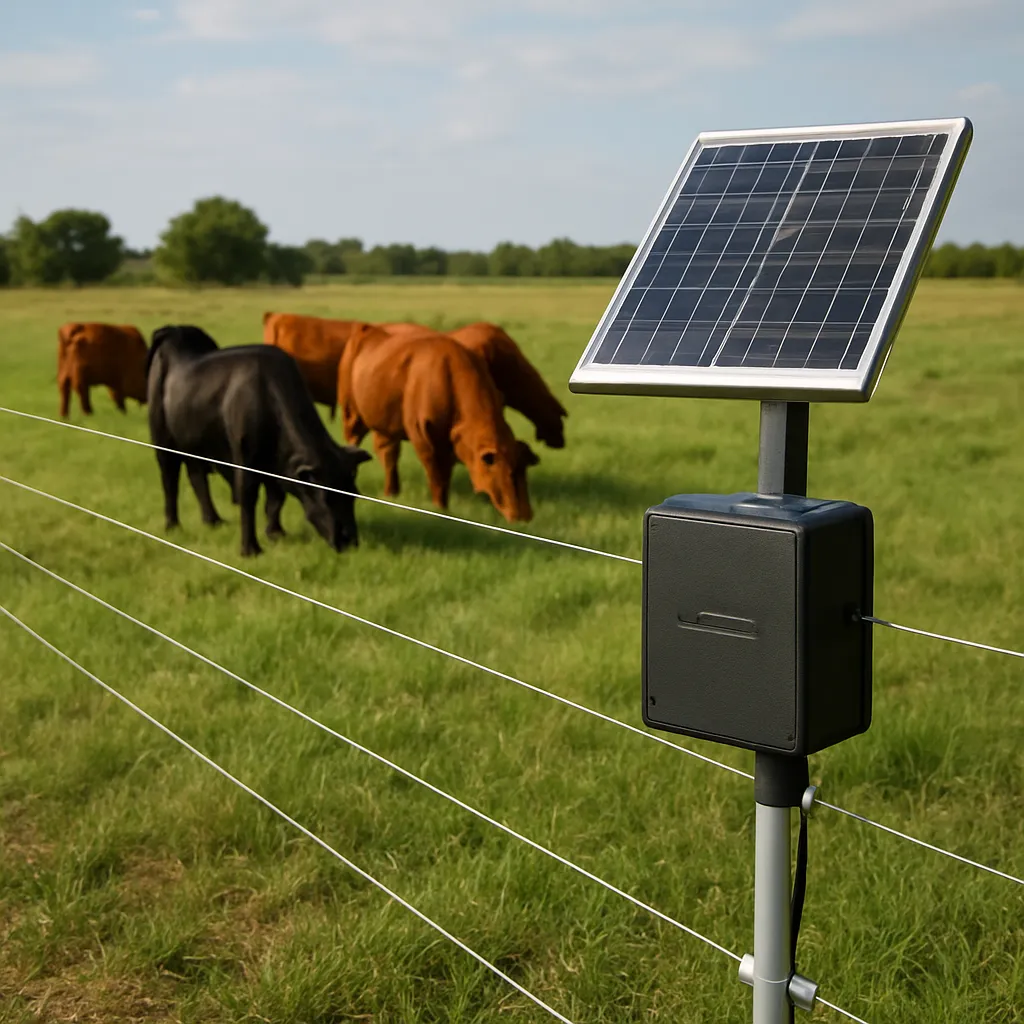
The concept of precision agriculture has gained momentum as farmers strive to produce higher yields while minimizing resource inputs. Smart Sprinkler Systems exemplify this trend by offering real-time monitoring of soil moisture, ambient temperature, and climatic conditions. Key components include:
- Sensors: Ridge-mounted or buried soil moisture sensors provide continuous feedback on water availability at different depths.
- Controllers: Programmable units that adjust irrigation schedules based on sensor inputs and weather data.
- Connectivity: Wireless communication networks (e.g., LoRaWAN, NB-IoT) that link field devices to cloud-based platforms.
- Analytics: Software engines that process large volumes of data, generating actionable recommendations for each irrigation zone.
With these elements working in harmony, farmers can target precise field areas, apply water exactly when needed, and avoid unnecessary runoff or evaporation losses.
Key Technologies Driving Water Efficiency
Multiple innovations underpin the success of Smart Sprinkler Systems in conserving water and boosting crop health. Among the most influential are:
Soil Moisture Sensing
By embedding electromagnetic or tensiometric sensors at various soil depths, growers capture a detailed moisture profile. This information enables the system to activate sprinklers only when soil dryness reaches a critical threshold, rather than following a rigid timetable.
Weather-Based Scheduling
Integration of meteorological data—such as rainfall forecasts, temperature, and wind speed—prevents water application before natural precipitation events. Automated algorithms modify irrigation cycles dynamically, ensuring that water is conserved whenever weather conditions allow.
Variable Rate Irrigation (VRI)
Variable Rate Irrigation technology divides fields into multiple management zones, each with unique soil characteristics and crop requirements. The system adapts water volumes per zone, leading to:
- Uniform crop growth across heterogeneous terrain
- Reduced energy expenses due to optimized pump usage
- Lower nutrient leaching by avoiding overwatering in sensitive areas
Remote Monitoring and Control
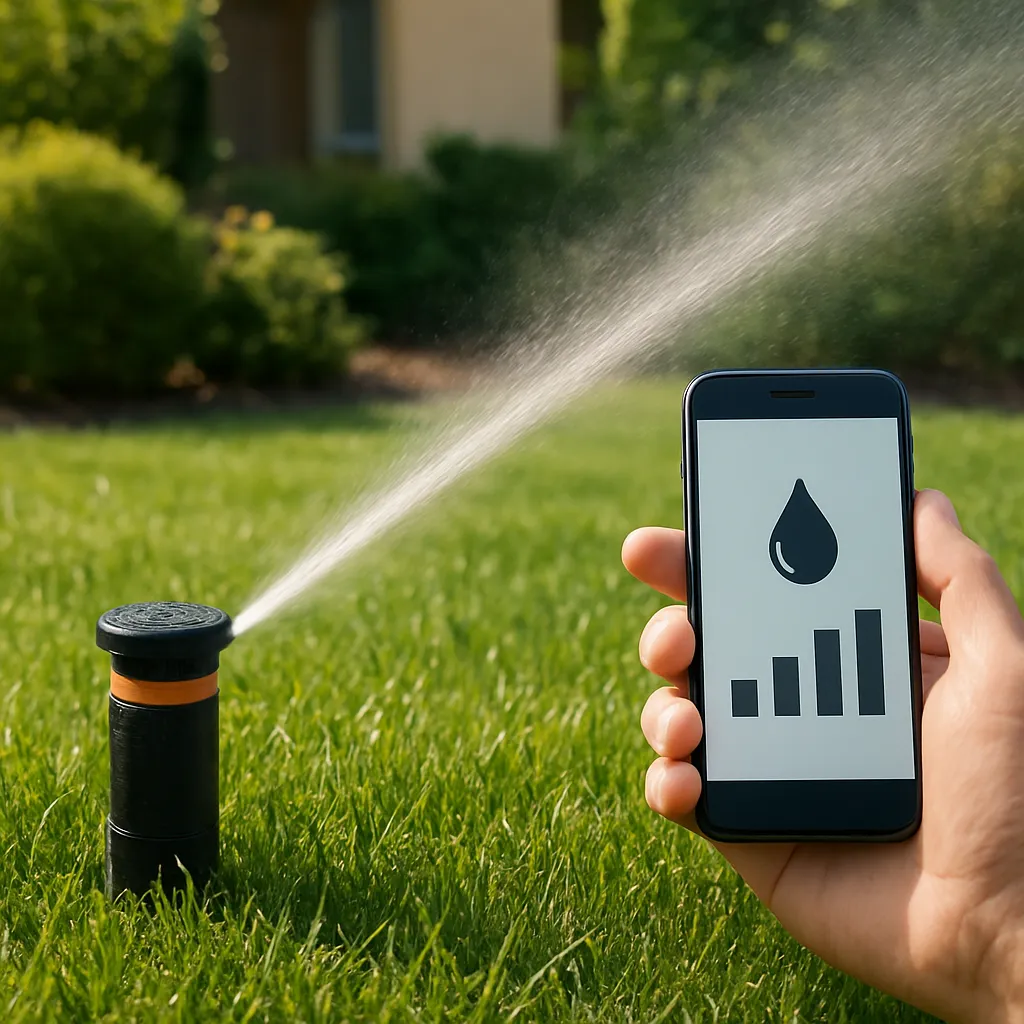
Through mobile apps and web dashboards, farm managers can supervise irrigation status from any location. Instant alerts notify users of any deviations—such as leaks, sensor failures, or connectivity issues—allowing prompt corrective measures.
Implementation Strategies on Modern Farms
Transitioning to Smart Sprinkler Systems involves careful planning and training. Successful adoption follows these best practices:
Site Assessment and System Design
A thorough evaluation of soil types, topography, crop mix, and existing irrigation infrastructure is essential. Specialists map out zones based on hydraulic characteristics and water delivery capabilities. This blueprint ensures that lines, valves, and sprinklers align with each field’s unique profile.
Gradual Deployment and Testing
Rather than replacing the entire irrigation network at once, farmers often pilot smart controllers on a few zones. This incremental approach allows teams to:
- Calibrate sensors for local soil conditions
- Validate communication links under real-world stresses
- Refine scheduling algorithms based on early performance data
Training and Capacity Building
Field crews require hands-on training to interpret data outputs, maintain sensors, and troubleshoot system components. Extension workshops and digital tutorials help embed new operational routines within the farm’s workforce.
Benefits Beyond Water Conservation
While the primary goal of Smart Sprinkler Systems is water conservation, their advantages extend into multiple domains of agricultural productivity:
- Enhanced Crop Quality: Consistent moisture levels reduce stress on plants, improving fruit size, color, and taste.
- Cost Savings: Lower water and energy consumption translate directly to reduced utility bills and pump maintenance expenses.
- Environmental Stewardship: By minimizing runoff and nutrient leaching, farms contribute to healthier local waterways and ecosystems.
- Scalability: Modular design lets medium-scale and large-scale operations deploy technology at a pace aligned with budgetary constraints.
Furthermore, precision irrigation supports broader sustainability initiatives such as carbon footprint reduction and responsible resource management, aligning farms with global standards and consumer expectations.
Future Outlook: Integrating AI and IoT
The next generation of Smart Sprinkler Systems will embed deeper levels of artificial intelligence and Internet of Things (IoT) connectivity. Anticipated trends include:
- Predictive Analytics: Machine learning models forecast crop water demand weeks in advance, optimizing reservoir releases and well pumping schedules.
- Edge Computing: On-site processors analyze sensor data instantly, reducing latency and enabling ultra-responsive irrigation adjustments.
- Drone and Satellite Integration
- High-resolution aerial imagery will detect early signs of water stress and disease, triggering targeted sprinkler activation.
- Blockchain-Enabled Water Trading
- Transparent ledgers could allow farmers to exchange water rights or credits securely, enhancing regional water resource management.
As these technologies mature, Smart Sprinkler Systems will become even more resilient, adaptable, and aligned with global efforts to address climate change and food security challenges.